Info Hub
Best Shoes for Diabetes: Protect Your Feet and Stay Comfortable
Discover the best shoes for diabetes with expert tips on comfort, support, and protection to help prevent foot problems and support long-term foot health.
Discover the best shoes for diabetes with expert tips on comfort, support, and protection to help prevent foot problems and support long-term foot health.
Living with diabetes means paying a little extra attention to your health… and that includes your feet.
While it’s easy to focus on diet, exercise, and medication, foot care is often overlooked until something goes wrong. Unfortunately, for many people with diabetes, foot problems can develop quietly and become serious before they’re noticed. Numbness, reduced circulation, slow-healing wounds, and increased risk of infection all make foot health especially important. Something as small as a rubbing seam inside a shoe or a tight toe box can turn into a blister, ulcer, or infection if it’s not picked up early.
That’s why choosing the right footwear matters so much.
The right pair of shoes doesn’t just feel comfortable – it helps protect your feet, reduce pressure, improve stability, and support healthy movement every day. Good diabetic footwear is part of prevention, not just comfort.
At Peter Sheppard, decades of experience fitting shoes for different foot conditions has shown just how powerful proper footwear can be. When shoes fit well and support your feet properly, they don’t just feel better; they help you stay active, confident, and independent. Whether you’re living with diabetes yourself, supporting a loved one, or helping patients make better footwear choices, this guide is designed to give you clear, practical advice you can actually use.
Diabetes affects the body in many ways, but the feet are often one of the first areas to experience complications. Over time, changes in nerves, blood flow, and skin health can make feet more vulnerable to injury. Let’s look at the most common issues.
One of the most common complications of diabetes is peripheral neuropathy (damage to the nerves in the feet and lower legs). This can cause:
While this might sound mild at first, reduced sensation is one of the biggest risk factors for foot injuries. If you can’t feel a blister forming, a seam rubbing, or a shoe pressing too tightly, small problems can quickly become big ones. Many people with neuropathy don’t realise they have an issue until they notice a wound, infection, or ulcer.
Diabetes can also affect blood flow, especially in the feet and lower legs. Reduced circulation means:
When healing is slow, even minor injuries need to be taken seriously. A shoe that causes repeated pressure in the same spot can lead to breakdown of the skin over time.
Over the years, diabetes can contribute to changes in foot structure, including flattened arches, bunions, hammer toes, claw toes, wider forefoot, and swelling that varies day to day. These changes make standard “off-the-shelf” shoes less suitable. What used to fit well five years ago may now feel tight, rub in new places, or fail to support your foot properly.
When reduced sensation, slower healing, and pressure points combine, the risk of foot ulcers increases. Foot ulcers are open sores that can form when skin breaks down under repeated stress – if not treated early, they can become infected and lead to serious complications. The good news? Proper footwear is one of the most effective ways to reduce this risk. Supportive, well-fitted shoes help distribute pressure evenly, protect the skin, and reduce friction – all of which lower the chance of ulcers developing.
Many serious diabetic foot problems don’t start with dramatic injuries. They begin with small, everyday issues… A shoe that rubs slightly. A seam that presses on a toe. A sole that’s lost its cushioning. A heel that slips and causes friction. Over weeks or months, these small stresses add up. That’s why preventive footwear matters so much – the right shoes work quietly in the background, protecting your feet day after day.
So, what exactly do good diabetic shoes do differently? It’s not about bulky “medical-looking” footwear. Modern supportive shoes can look stylish, lightweight, and normal while still offering the protection your feet need. Here are the main ways the right shoes help.
Every step you take sends force through your feet. For most people, healthy tissue absorbs this impact easily – but for sensitive diabetic feet, repeated pressure can cause irritation and breakdown. Good cushioning helps by:
Well-designed midsoles and soft insoles act like a buffer between your foot and the ground (this is especially important if you spend long hours standing or walking!).
One of the biggest goals of diabetic footwear is pressure relief. Instead of allowing all your weight to land on a few high-stress areas, supportive shoes spread pressure more evenly across the foot. This helps prevent hot spots, reduce callus formation, lower ulcer risk and improve walking comfort. Many quality shoes use contoured footbeds and supportive midsoles to achieve this balance.
Arch and heel support aren’t just about posture; they play a major role in foot health. Proper support:
For people with diabetes, this added stability can reduce fatigue and lower the risk of falls. A firm heel counter (the structured part at the back of the shoe) is especially important; it keeps the foot stable and prevents slipping that can cause friction and blisters.
Fit is everything when it comes to diabetic footwear – shoes that are too tight, narrow, or shallow create pressure points. Shoes that are too loose cause rubbing and instability. Well-fitted diabetic shoes offer:
A good toe box is especially important if you have bunions, hammer toes, or swelling. Toes should be able to lie flat without being squeezed.
The upper part of the shoe (the material covering the foot) plays a bigger role than many people realise.
Soft, flexible uppers help by reducing pressure on sensitive areas, adapting to foot shape changes, preventing skin irritation, and accommodating mild swelling. Modern materials like soft leather, stretch fabrics, and padded linings can make a huge difference in daily comfort.
Friction is one of the biggest enemies of diabetic feet – even light rubbing, repeated thousands of times, can damage fragile skin. Quality shoes are designed to minimise friction by using:
This creates a stable, low-rub environment inside the shoe.
Not all “comfortable” shoes are suitable for people with diabetes. A pair might feel fine in the shop but still cause problems after weeks of daily wear. When choosing shoes for diabetes, these are the features that matter most.
Cushioning is one of the first things you’ll notice when you try on a shoe (and for good reason!). Well-cushioned shoes help reduce pressure on sensitive areas, absorb impact from hard surfaces, improve comfort during long days, and protect vulnerable tissue. Look for shoes with layered midsoles, quality foam, or contoured footbeds rather than thin, flat soles. If a shoe feels “hard” underfoot, it’s usually not ideal for diabetic feet.
Many people with diabetes need more room in their shoes than they realise. A good wide-fit shoe should allow:
A narrow toe box can create constant pressure, especially if you have bunions, hammer toes, or changes in foot shape… over time, this pressure increases the risk of skin breakdown. If your toes feel crowded in the shop, the shoe won’t feel any better at home.
The upper part of the shoe should feel gentle on your foot (never tight, stiff, or restrictive). Good diabetic footwear uses soft leather, stretch fabrics, padded linings and flexible panels. These materials adapt to your foot rather than forcing it into shape – they’re especially helpful if you experience swelling, sensitive skin, or uneven pressure points. Avoid shoes that dig in around the toes, instep, or sides of the foot.
Support is about more than comfort – it’s about stability and long-term foot health. A supportive shoe should have a firm but cushioned midsole, good arch support, a structured heel counter and minimal twisting when bent. This structure helps keep your foot aligned and stable as you walk. It reduces strain, improves balance, and lowers the risk of rubbing caused by excess movement inside the shoe.
Many people with diabetes benefit from custom orthotics or specialised inserts. Shoes with removable insoles make this much easier, as they allow you to:
Even if you don’t use orthotics now, having this option gives you flexibility in the future.
Balance and stability can be affected by neuropathy and reduced sensation – a slip-resistant outsole helps reduce fall risk (especially on smooth or wet surfaces). Look for soles that provide grip without feeling sticky or heavy.
There’s no single “perfect” shoe for everyone with diabetes – different styles suit different lifestyles, activity levels, and mobility needs. Here’s how the main categories compare.
Walking shoes are one of the most popular choices for people with diabetes, and for good reason.
A quality walking shoe is often the best “everyday” option if you’re on your feet regularly.
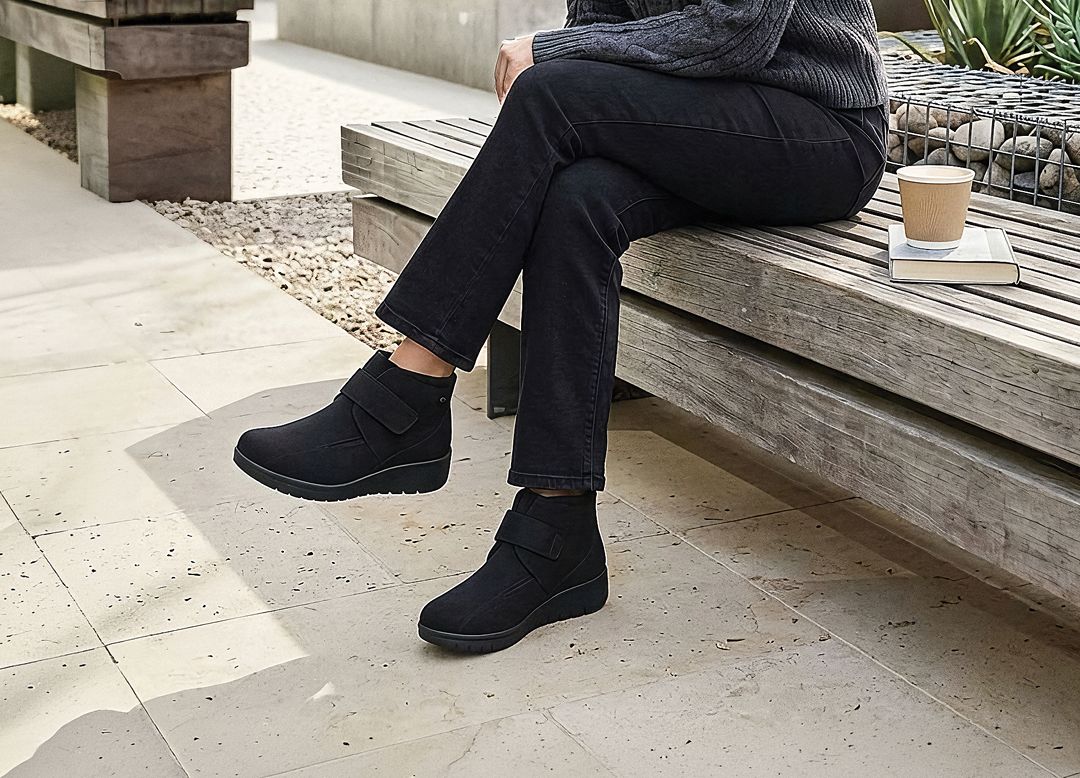
These are designed specifically for people with foot conditions.
These shoes are often recommended by podiatrists for high-risk patients. They’re about protection first, appearance second.
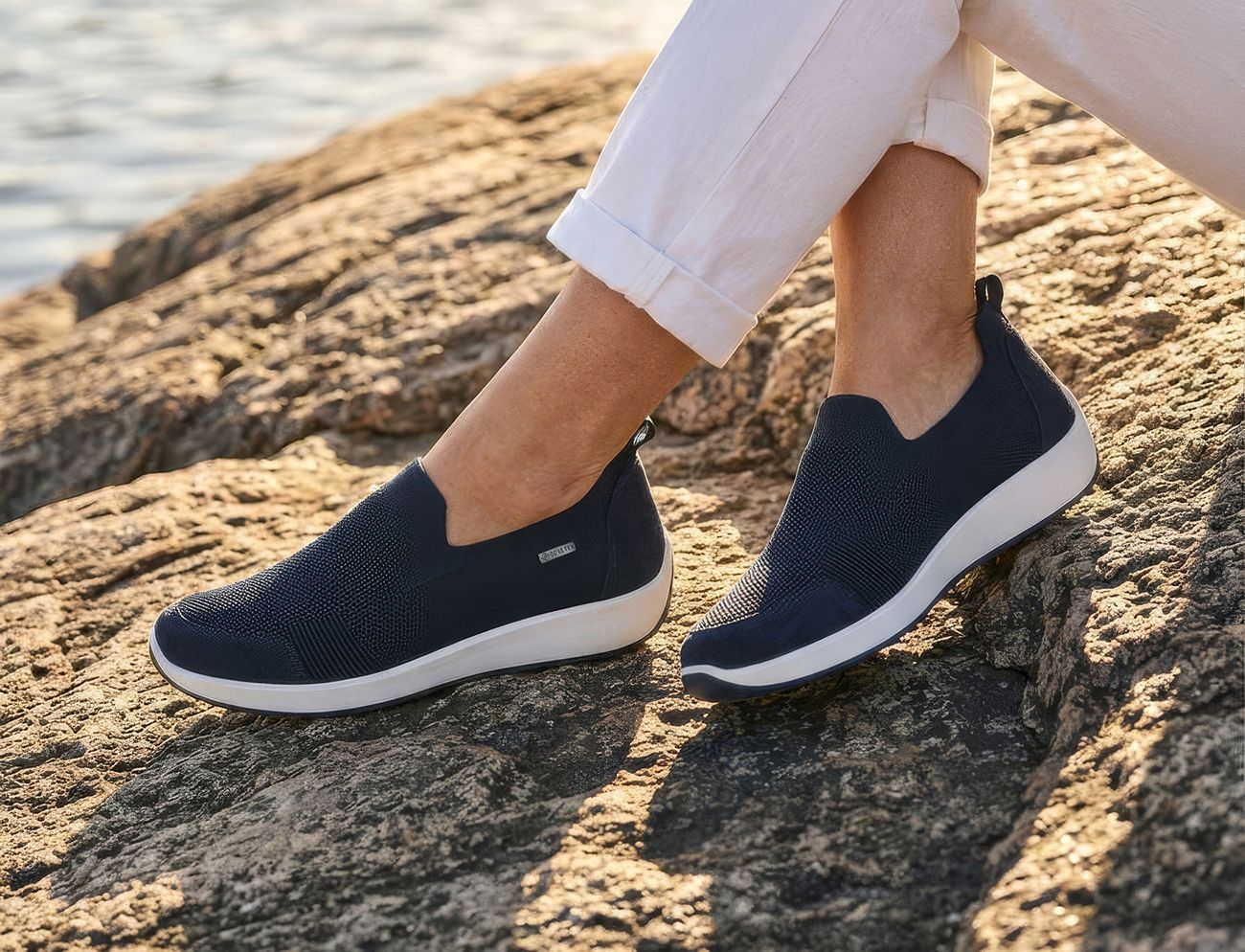
Slip-on styles can be very helpful for people with reduced mobility or flexibility.
Look for slip-ons with elastic panels, secure heels, and supportive soles rather than loose, floppy designs.
In warmer weather, sandals can be appealing — but they need to be chosen carefully.
If choosing sandals, look for closed-toe or semi-closed styles with contoured footbeds and adjustable straps. Avoid flat, flimsy designs.
These include casual, dress, and lifestyle shoes designed with extra width and support.
Not all wide-fit shoes are supportive, so it’s important to check cushioning and structure, not just width.
Knowing what to look for is helpful… but how you shop also matters. Here are some practical tips that make a real difference.
Even with good intentions, many people with diabetes end up wearing shoes that quietly work against their foot health. Often, it’s not because they don’t care – it’s because they don’t realise the risks. Here are some of the most common mistakes to watch out for.
This is by far the most common problem. Shoes that feel “a little snug” in the shop often become painful after hours of walking. For diabetic feet, even mild pressure can cause:
If your toes feel cramped or the sides of your feet are being squeezed, the shoe isn’t suitable — no matter how nice it looks. Comfort should never be a compromise.
Shoes don’t last forever… over time, cushioning compresses, soles wear unevenly, and support weakens. When this happens, shoes stop protecting your feet properly. Signs it may be time to replace your shoes include thin or hard-feeling soles, reduced shock absorption, worn-down heels, loss of shape, and new aches or discomfort. Continuing to wear worn-out shoes increases pressure and injury risk.
It’s completely natural to want shoes that look good; but the problem comes when appearance is the only priority. Thin soles, narrow designs, high heels, and stiff materials often look stylish, but they rarely support diabetic feet. The good news is that modern supportive footwear doesn’t have to look “medical”. Many well-designed shoes now balance style and function beautifully.
You don’t have to sacrifice appearance – just choose wisely.
Flat, flimsy shoes may feel soft at first, but they usually lack arch support, heel stability, proper cushioning and alignment control. Over time, this can increase fatigue, strain, and pressure on vulnerable areas. Supportive structure is essential for long-term foot health.
Shoes and foot care go hand in hand. People with diabetes should check their feet daily for:
After wearing new shoes, it’s especially important to inspect your feet. Early signs of irritation are easier to manage than advanced wounds.
While good footwear plays a major role in diabetic foot health, there are times when shoes alone aren’t enough. Professional support can make a significant difference.
Orthotics are custom or semi-custom inserts designed to improve foot alignment and reduce pressure. For people with diabetes, orthotics can help redistribute pressure, protect high-risk areas, improve walking mechanics, reduce ulcer risk and increase comfort. They’re especially useful if you have uneven pressure patterns, deformities, or recurring problem areas (also, many supportive shoes are designed to work with orthotics, making it easier to combine both).
You should consider seeing a podiatrist if you experience:
A podiatrist can assess your feet, recommend appropriate footwear, and provide tailored advice. Early intervention often prevents serious complications later.
Foot shape changes over time – especially with diabetes. That’s why professional fitting can be invaluable. Specialist fitters can:
This level of personal attention helps ensure your shoes truly support your needs.
Choosing good shoes is one part of a bigger picture; long-term foot health also depends on daily habits. Simple routines can make a big difference – wash and dry your feet thoroughly, especially between the toes. Moisturise dry skin (avoiding between toes). Trim nails carefully. Wear clean, well-fitting socks. Avoid walking barefoot. Rotate shoes to allow them to dry and recover. Replace worn footwear promptly… all these things help! When combined with supportive shoes, these habits form a strong foundation for prevention.
With the right footwear and care, most people can continue to enjoy active, independent lives. The shoes you wear every day quietly influence your foot health more than almost anything else. They’re not just an accessory – they’re part of your health strategy.
At Peter Sheppard, the focus has always been on fit, quality, and individual needs. With decades of experience helping people find shoes that truly support their feet, our approach reflects a simple truth: when shoes fit well and feel right, life feels easier.
If you’re living with diabetes, caring for someone who is, or supporting patients in making better footwear choices, remember that small, thoughtful decisions add up. The right shoes, worn consistently, can help protect your feet today and for many years to come.
Discover the best shoes for diabetes with expert tips on comfort, support, and protection to help prevent foot problems and support long-term foot health.
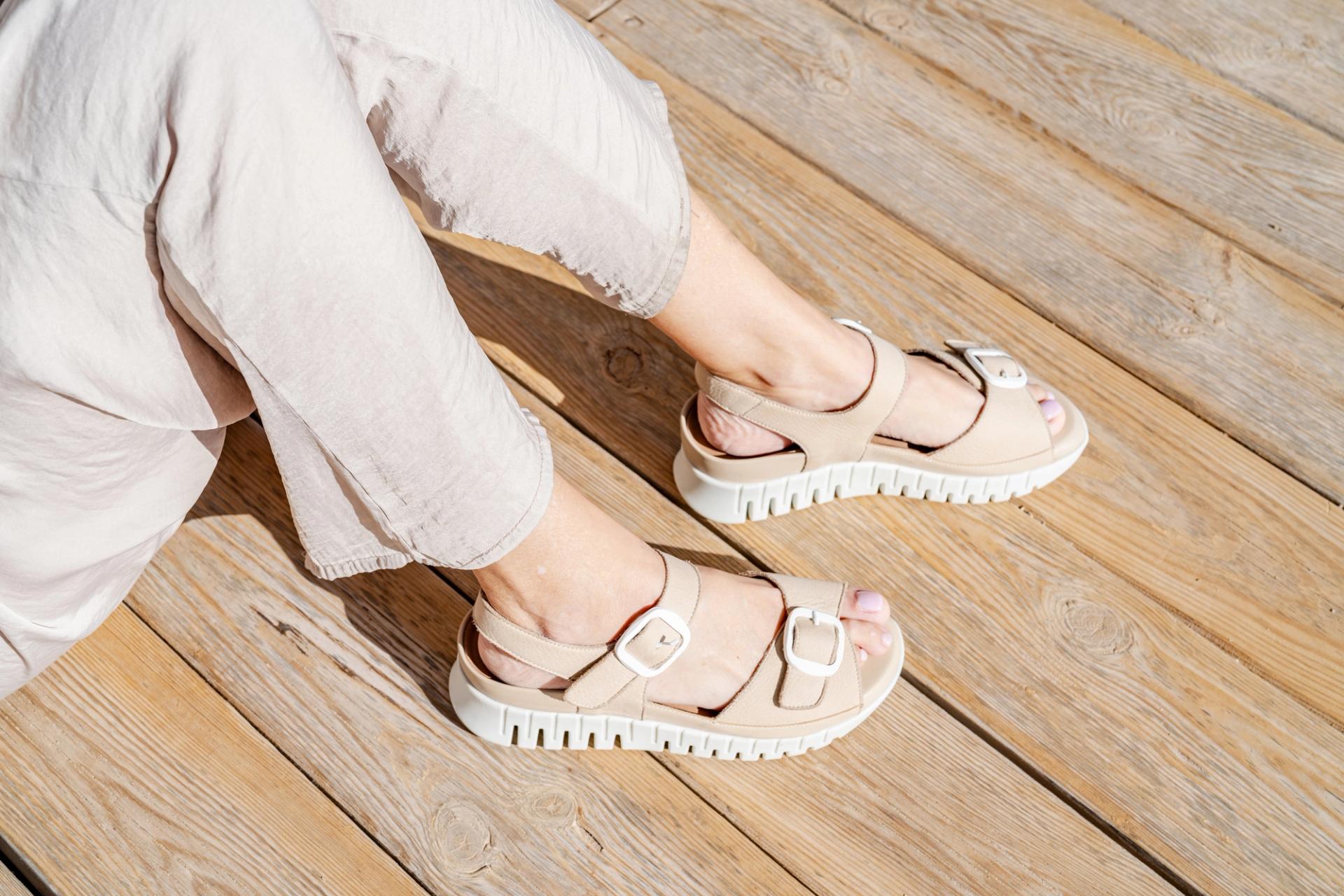
Discover the best shoes for bunions, with expert advice on comfort, fit, and support to reduce pain and protect your feet for everyday life.