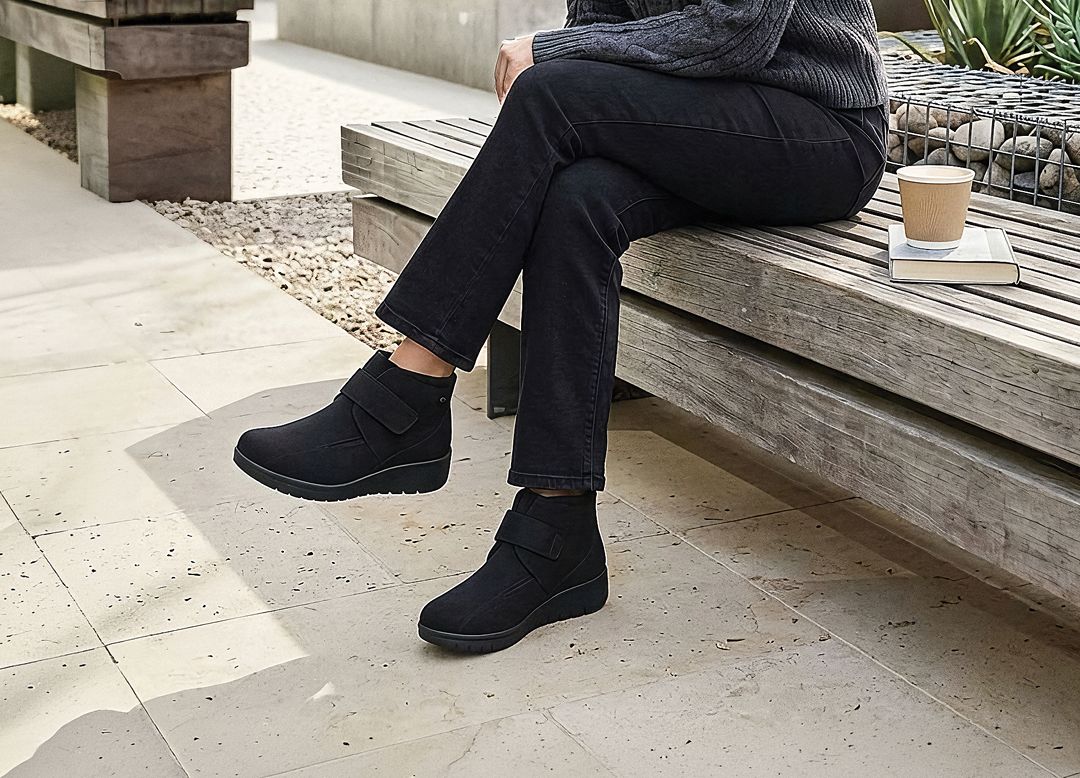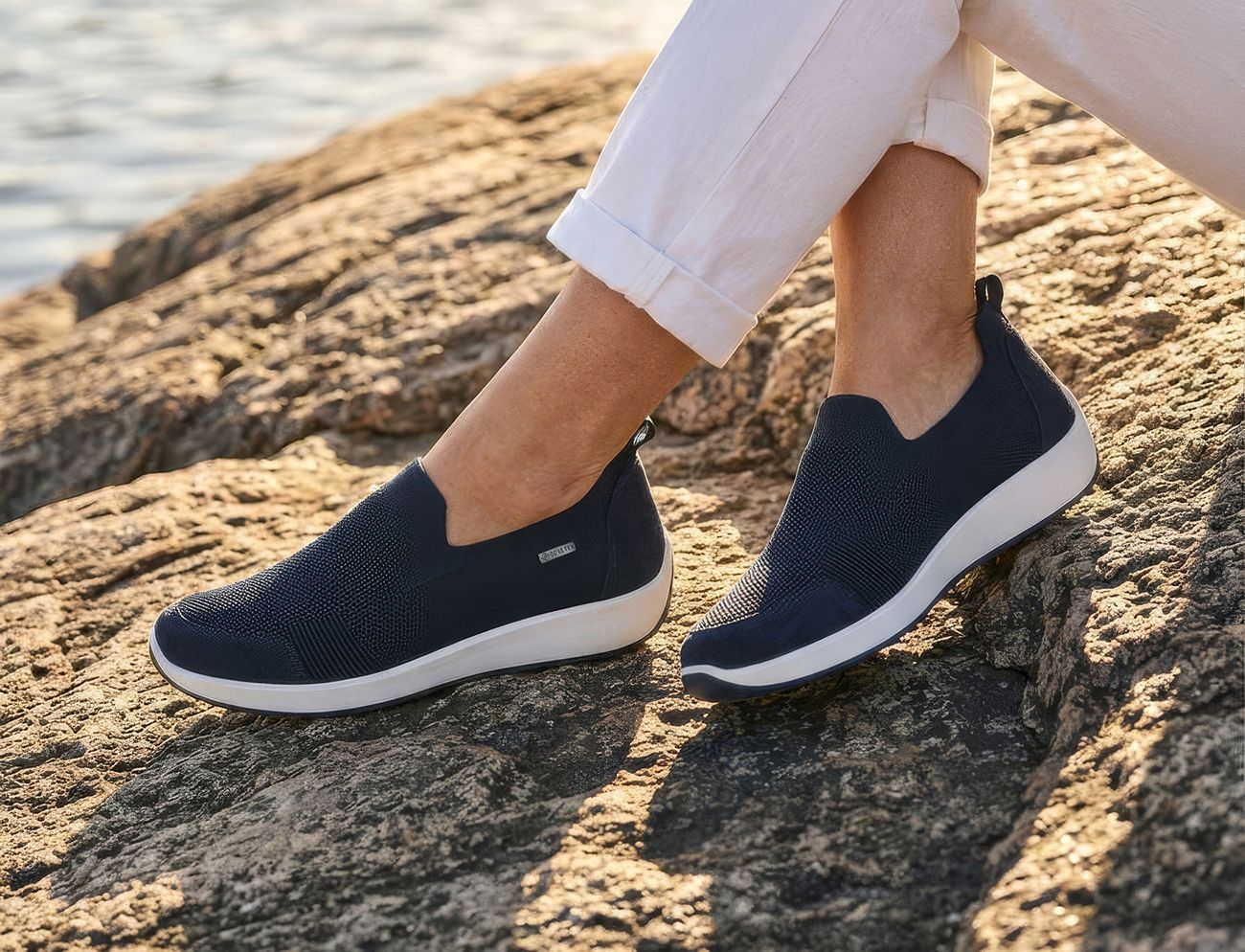
Info Hub
Best Shoes for Diabetes: Protect Your Feet and Stay Comfortable
Discover the best shoes for diabetes with expert tips on comfort, support, and protection to help prevent foot problems and support long-term foot health.
Discover the best shoes for bunions, with expert advice on comfort, fit, and support to reduce pain and protect your feet for everyday life.
If you’ve ever finished the day with aching feet, swelling around your big toe, or a dull, persistent soreness that doesn’t seem to go away, you’re not alone. For many Australians, these symptoms are the early signs of bunions – a common foot condition that can quietly worsen over time if left unsupported.
While bunions are often associated with genetics or ageing, footwear plays a much bigger role than most people realise. The shoes you wear every day can either ease pressure on sensitive joints or slowly make discomfort worse. That’s why choosing the right footwear is one of the most important steps in managing bunion pain and protecting your long-term foot health.
At Peter Sheppard, helping customers find supportive, well-fitted shoes has always been about more than just style. It’s about understanding how feet change over time… and how the right shoe can make walking, working, and staying active far more comfortable.
In this guide, we’ll explain what bunions are, why they develop, how footwear affects them, and what to look for when choosing comfortable shoes for bunions. Whether you’re managing existing pain or hoping to prevent problems down the track, this article will help you make confident, informed choices.
A bunion is a bony bump that forms at the base of the big toe, where it connects to the foot. Medically, this condition is known as hallux valgus – it happens when the big toe gradually shifts towards the smaller toes, causing the joint to stick outwards. Over time, this misalignment can change the way your foot bears weight, putting extra pressure on the front of the foot and affecting your natural walking pattern.
Bunions don’t appear overnight – they usually develop slowly, and many people live with early symptoms for years before seeking help. Common signs include:
Some people experience only mild discomfort, while others deal with daily pain that affects their ability to stay active.
Your big toe plays a major role in balance and forward movement. When it shifts out of position, the entire foot can start to compensate, and this can lead to:
Over time, these changes can contribute to broader foot pain, ankle discomfort, and even knee or hip issues.
Bunions usually develop due to a combination of factors rather than a single cause.
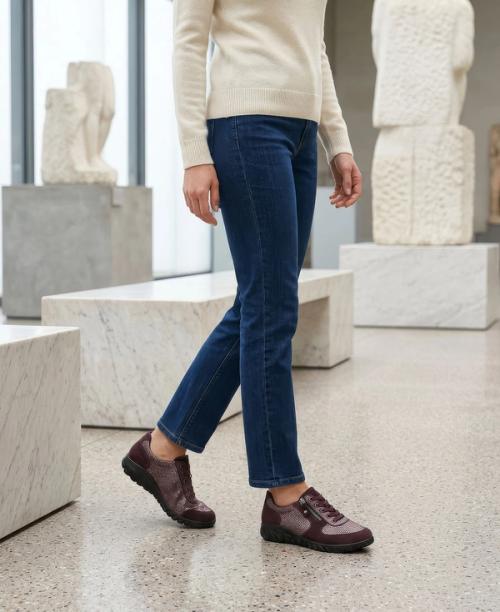
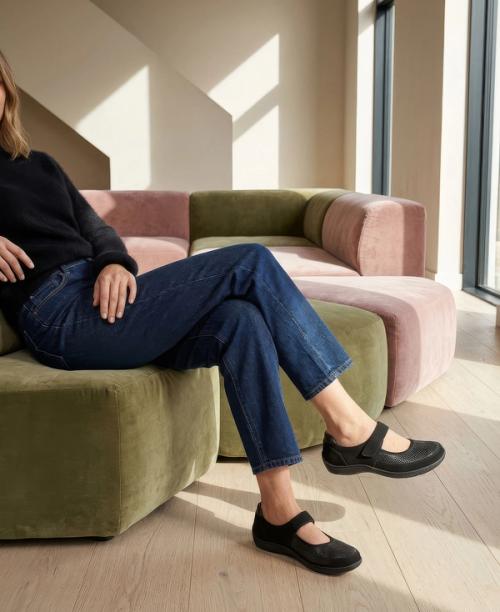
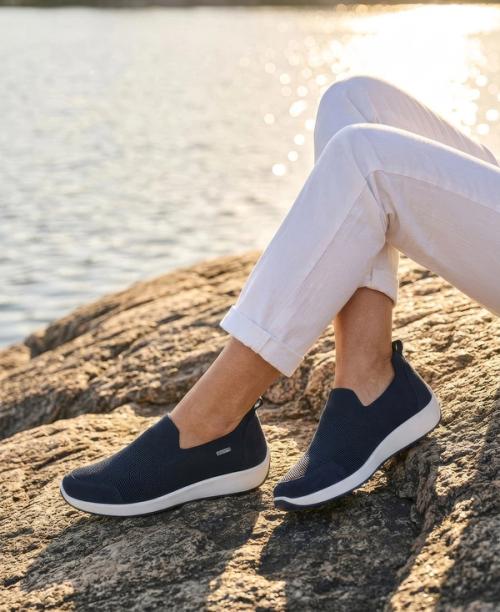
Many people are surprised to learn just how closely bunion pain is linked to footwear. Shoes don’t cause bunions on their own, but they can strongly influence how quickly they progress and how much discomfort you experience.
Every step you take transfers weight through the front of your foot. When shoes don’t provide enough room, cushioning, or stability, this pressure is concentrated around the sensitive big toe joint. Well-designed shoes, on the other hand, help to:
Over time, these small improvements can make a noticeable difference in daily comfort.
Shoes that are poorly fitted or unsupportive often lead to a cycle of worsening discomfort. Without enough structure and cushioning:
What’s worse, is that this compensation can create new problems elsewhere in the foot or body.
Some footwear styles are particularly tough on sensitive feet.
While these styles may look appealing, wearing them regularly can significantly aggravate bunion symptoms.
One of the most common mistakes people make is assuming their shoe size never changes – in reality though, feet often become wider or flatter with age, pregnancy, or long-term standing. Wearing the wrong size (even slightly!) can increase friction, reduce stability, limit toe movement and create pressure points. A properly fitted shoe should feel comfortable from the moment you put it on, without needing “breaking in” to stop hurting.
When it comes to choosing comfortable shoes for bunions, small design details can make a whole lot of difference. A shoe might look supportive on the outside, but it’s what’s happening inside (around your toes, arch, and heel) that really matters. Understanding these key features will help you avoid trial-and-error shopping and find footwear that genuinely supports your feet.
The toe box is the front part of the shoe where your toes sit – for people with bunions, this area is crucial. A good toe box should:
Shoes that taper sharply at the front may look sleek, but they often crowd the toes together… over time, this constant compression can worsen pain and inflammation. Look for descriptions like “wide fit”, “generous toe box”, or “comfort fit”, and don’t be afraid to physically press the front of the shoe to check for room.
The upper is the material covering the top of your foot – for bunion sufferers, softness here is essential. Ideal materials include high-quality leather that moulds over time, stretch fabrics designed for comfort, soft suede and technical stretch panels. These materials adapt to the shape of your foot instead of fighting against it, and this reduces friction and helps prevent sore spots. Avoid stiff synthetics or rigid plastics that stay firm no matter how much you wear them (they’re far more likely to cause irritation).
Your arch plays a major role in how weight is distributed across your foot. Without enough support, the front of the foot often takes on extra pressure – including the bunion area. Good arch support helps improve toe alignment, reduce overpronation, stabilise foot movement and relieve forefoot strain.
Many high-quality comfort shoes include built-in arch support, while others allow you to insert custom orthotics if needed. If you’ve ever noticed that flat shoes make your feet ache more than supportive ones, lack of arch support is usually the reason.
Every step creates impact… and over thousands of steps per day, that impact adds up. Cushioned soles help by:
Look for midsoles made from materials like EVA foam, memory foam, or specialised cushioning systems (these provide softness without sacrificing stability). Extremely thin soles may feel flexible, but they rarely offer enough protection for sensitive feet.
The heel cup is the part of the shoe that cradles your heel. When it’s well-designed, it keeps your foot properly aligned. A supportive heel cup prevents excessive rolling inward, improves balance, reduces uneven pressure and even supports natural gait. This stability helps protect the entire foot (including the bunion) from unnecessary strain.
Feet can swell throughout the day, especially in warm weather or after long periods of standing. Adjustable features allow you to fine-tune the fit, which is particularly helpful if one foot is slightly wider than the other (which is very common). Good options include:
These features help keep your foot secure without feeling tight.
When you’re standing in a store or browsing online, it’s easy to feel overwhelmed by choices. So with that in mind, this simple checklist can help you make quicker, more confident decisions. Ask yourself:
If the answer is “no” to several of these, it’s probably not the right shoe for you… even if it looks great.
Reading product descriptions is helpful, but nothing replaces how a shoe feels on your foot. Here are some practical tips that experienced fitters often share with customers.
Many people think going up a size will fix tight shoes, but unfortunately, that often creates new problems. A longer shoe doesn’t necessarily mean a wider one – in fact, it can lead to heel slipping, reduced stability, increased friction and toe gripping. Wide fitting shoes are designed to offer extra room across the forefoot without changing length. For bunion sufferers, this can be far more effective than sizing up.
Some brands use different terminology:
Understanding this language helps you filter options more accurately.
Not all shoes are created equal; especially when bunions are involved. While individual fit always matters most, certain shoe styles tend to be more reliable for comfort, support, and long-term foot health. Understanding the strengths and limitations of each type can help you choose the right option for different parts of your life.
For many people with bunions, well-designed walking shoes or comfort sneakers are the foundation of everyday footwear.
Modern orthopaedic-style shoes have come a long way. Today’s designs focus on both comfort and appearance.
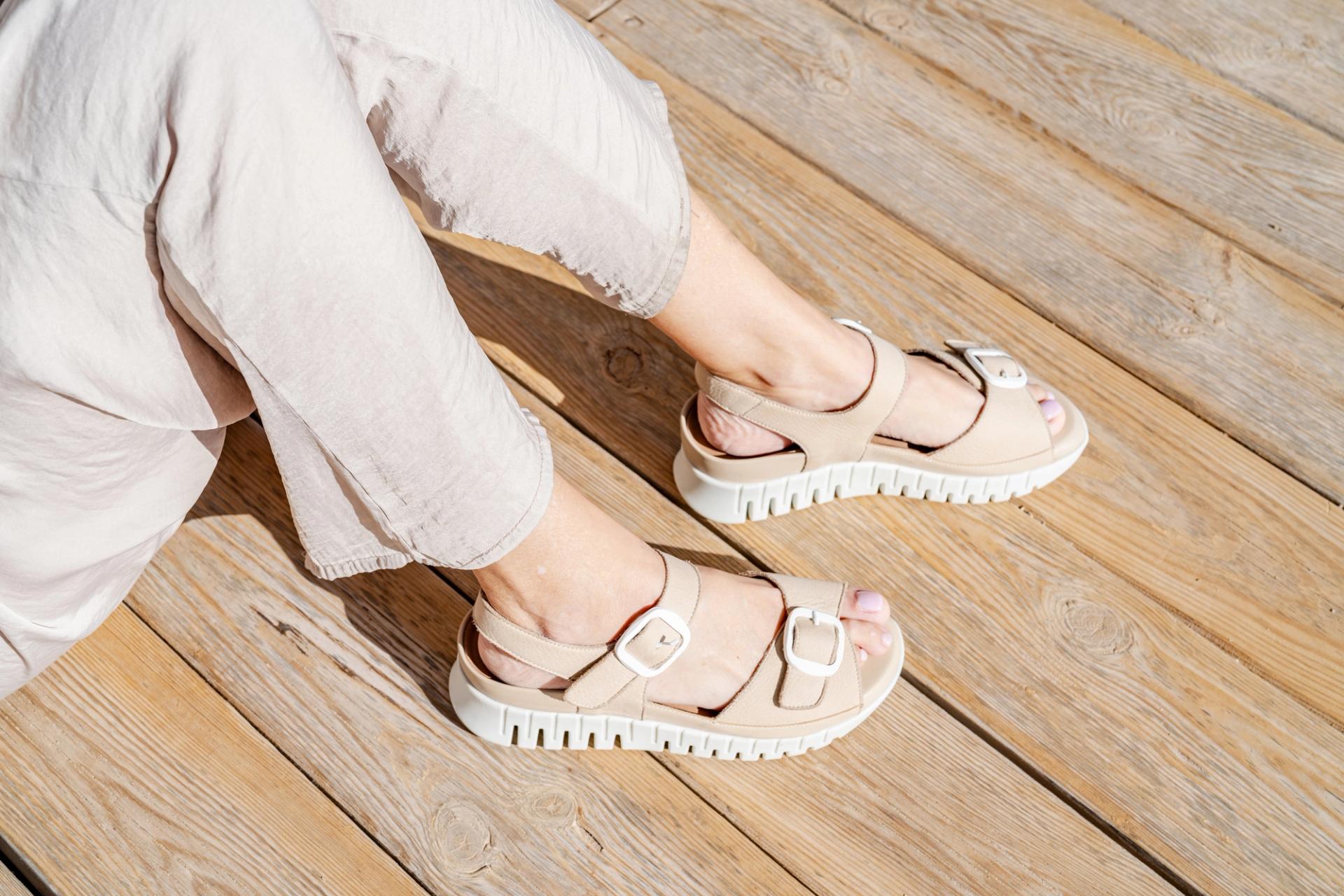
In warmer months, supportive sandals can be a welcome alternative to closed shoes.
Slip-on shoes appeal to people who want convenience without sacrificing comfort.
Many people worry that bunions mean giving up on dress shoes. Fortunately, that’s not true – it just means choosing wisely.
Comfort and elegance can coexist; it just takes careful selection.
Even well-informed shoppers sometimes fall into habits that worsen bunion discomfort. Being aware of these pitfalls can save you time, money, and pain.
Shoes play a major role in bunion management, but they aren’t always the full solution.
A podiatrist may recommend orthotics to improve alignment, reduce pressure on joints, support arches or enhance stability. Thankfully, there’s a whole lot of high-quality shoes that are designed to accommodate these inserts.
Consider seeking help if:
Early intervention often prevents more serious problems later.
Surgery is usually considered only when conservative treatments no longer provide relief. It may be discussed if your pain is severe, your mobility is being restricted, deformity is progressing rapidly, or if your overall quality of life is being affected. A healthcare professional can guide this decision.
Living with bunions doesn’t mean accepting constant discomfort. With the right footwear, thoughtful choices, and occasional professional guidance, many people continue to walk comfortably for decades. Supportive shoes with wide toe boxes, soft uppers, proper cushioning, and reliable stability can dramatically reduce pressure and improve daily comfort. Combined with regular foot care and good fitting advice, they form the foundation of healthy foot habits.
At Peter Sheppard, the focus has always been on helping people find shoes that genuinely work for their feet – not just today, but for years to come. Whether you’re managing early bunion symptoms or long-standing discomfort, investing in well-fitted, supportive footwear is one of the most practical steps you can take.
If you’d like more guidance, you can explore our related resources on orthotics, wide fitting shoes, and footwear for common foot conditions – or speak with one of our trained fitting specialists in-store. Your feet carry you through life. They deserve care, comfort, and the right support every step of the way.


cindi 2 black
$399.95
$289


cindi 2 navy
$399.95
$289
cindi 2 black
$399.95
$289
cindi 2 navy
$399.95
$289
Discover the best shoes for diabetes with expert tips on comfort, support, and protection to help prevent foot problems and support long-term foot health.
Discover the best shoes for bunions, with expert advice on comfort, fit, and support to reduce pain and protect your feet for everyday life.