A lot of people assume “waterproof” and “water-resistant” mean the same thing. They don’t.
Waterproof shoes are built to keep water out more effectively, usually through special materials, membranes, or construction methods. Water-resistant shoes can handle light rain or the odd splash, but they’re not designed for long exposure to wet conditions. So, if your shoes survive a quick dash through drizzle, that doesn’t automatically make them waterproof.
That’s where proper shoe waterproofing comes in.
A good waterproofing treatment helps protect shoes from rain, stains, water marks, and general wear. It can also help your footwear look better for longer, which matters when you’ve invested in quality leather, suede, nubuck, or fabric shoes you actually want to keep wearing.
Why Waterproofing Matters
Wet weather is hard on shoes, even when you’re not doing anything dramatic. Walking through damp streets, getting caught in a shower, stepping through puddles, or dealing with a wet commute can all leave their mark.
Without protection, moisture can soak into the upper, stain delicate materials, dry out leather over time, and leave shoes looking tired well before they should. Waterproofing helps create a barrier so water beads on the surface instead of sinking straight in.
It’s not about making every shoe indestructible… it’s about giving them a fighting chance.
These are the Main Types of Waterproofing Treatments
Not every product suits every material, which is where people often come unstuck.
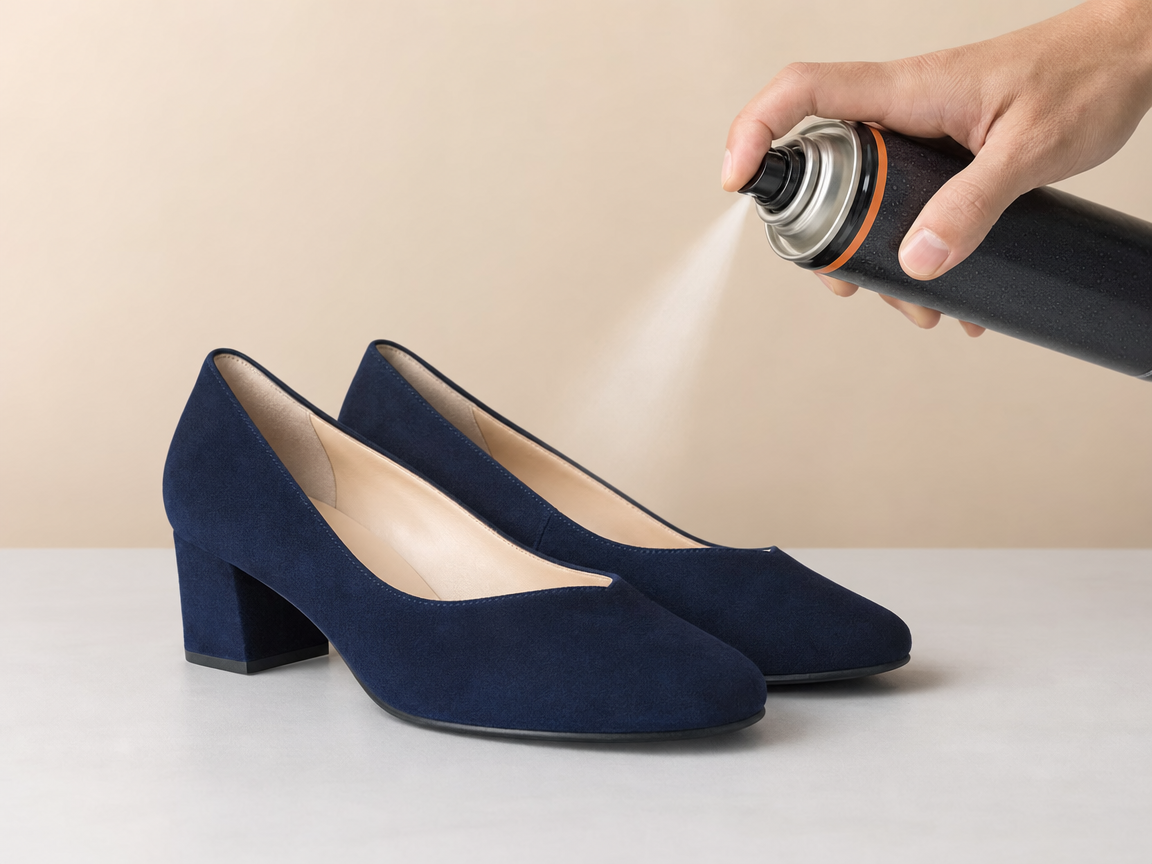
- Waterproof shoe spray is usually the go-to for suede, nubuck, fabric, and mixed-material shoes. It’s easy to use and ideal for ongoing maintenance.
- Waxes and creams are better for smooth leather. They add protection while also helping keep the leather supple, which is important if you want to avoid that dry, tired look.
- Specialist treatments can be useful for technical shoes or styles with built-in weatherproofing. The main thing is simple: match the product to the shoe.
Which Materials Benefit from Waterproofing the Most?
Some materials really do need the extra help.
- Leather benefits from regular protection, especially in cooler or wetter months. If you’re wondering how to waterproof leather shoes, the answer is usually a suitable cream, wax, or leather-safe spray… not blasting them with whatever happens to be in the cupboard.
- Suede and nubuck are probably the big ones. They look fantastic, but they don’t love rain. If you want to know how to waterproof suede shoes, a proper waterproof shoe spray is usually your best bet.
- Fabric and mixed-material shoes can also benefit, especially if they’re worn often. They may not mark the same way as suede, but they can still absorb moisture quickly and end up looking worse for wear.
How Often Should You Waterproof Your Shoes?
This depends on the material, how often you wear them, and what sort of weather they’re up against. Shoes worn regularly in wet conditions will need more frequent attention than a pair that mostly makes short trips from the car to the office.
A good rule of thumb is to re-treat them when water stops beading on the surface, after a thorough clean, or when the upper starts soaking up moisture faster than it used to (in other words, your shoes will usually tell you).
How to Apply Waterproofing Products Properly
This part matters… a lot.
- Start with clean, dry shoes. If they’re dusty, dirty, or still damp, the treatment won’t sit properly.
- Next, use the right product for the material. This is not the moment for guesswork. A product made for leather is not always suitable for suede, and vice versa.
- Apply the product lightly and evenly. More is not better here. More is just more. A light, even coat is usually what you want.
- Then let the shoes dry properly before wearing them. No heater. No hairdryer. No parking them in direct sun and hoping for the best.
Here are Some Common Waterproofing Mistakes Our Team Has Seen Often
A few things tend to go wrong again and again.
Using the wrong product is a classic. So is applying treatment to dirty shoes and wondering why the finish looks patchy.
Overdoing it is another big one. Shoes don’t need to be absolutely drenched in product to be protected. In fact, over-applying can affect the finish, change the texture, and make shoes feel less breathable.
And yes, one treatment will wear off. If you’re expecting to waterproof your shoes once and never think about it again, that’s optimistic.
Waterproofing vs Breathability
There’s a balance to strike here.
You want enough protection to help defend against rain, but not so much that the shoe loses all breathability and starts feeling heavy or stuffy (this is especially important with quality footwear, where comfort matters just as much as protection). The aim is not to smother the shoe; it’s to protect it without ruining what made it good in the first place.
Caring for Waterproofed Shoes Over Time
Waterproofing helps, but it’s only one part of the picture.
Brush or wipe shoes down after wear, especially if they’ve picked up dirt or moisture. Let them dry naturally if they’ve been out in the rain. Store them somewhere cool and dry. For leather, keep up with conditioning as well. For suede and nubuck, a gentle brush and regular spray treatment usually go a long way. Basically, don’t treat waterproofing like a once-a-year miracle fix… think of it more like basic maintenance.
How to Know When Shoes Need Re-Treating
The signs are usually pretty obvious once you know what to look for. If water no longer beads on the surface, if the material starts darkening quickly in the rain, or if the shoes just seem less protected than they used to, it’s probably time to reproof shoes properly. Freshly cleaned shoes often need it too, because cleaning can strip away some of the existing protection.
Protect your footwear with Peter Sheppard
Good shoes deserve a bit of care. Not an exhausting amount, just enough to keep them looking good and wearing well.
At Peter Sheppard, we know that premium footwear performs best when it’s looked after properly. Whether you’re wearing leather, suede, nubuck, or other delicate materials, the right waterproofing treatment can make a real difference to comfort, appearance, and longevity. If you need advice on shoe waterproofing, water-repellent treatments, or the best way to care for your favourite pair, our team is always happy to help. Contact Us Here.