Info Hub
Best Shoes for Diabetes: Protect Your Feet and Stay Comfortable
Discover the best shoes for diabetes with expert tips on comfort, support, and protection to help prevent foot problems and support long-term foot health.
Learn how to care for shoes properly, clean them by material, and build a simple routine that helps them last longer and look better, with Peter Sheppard.
Good shoes can put up with a lot. Daily wear, bad weather, rushed mornings, long days on your feet, being kicked off at the door, shoved in the wardrobe, then dragged out and worn again. But even beautifully made footwear has its limits.
The good news is that proper shoe care doesn’t need to be complicated. You don’t need a full shelf of products or a ritual that takes half your Sunday. A few consistent habits can make a real difference to how your shoes look, feel, and wear over time.
If you’ve invested in quality footwear, it makes sense to look after it.
Shoes deal with more than most people realise. Dust, grit, moisture, friction, body heat, pressure, and general day-to-day wear all slowly take their toll. Leave that unchecked, and even a good pair can start to look tired far earlier than they should.
Regular shoe care helps preserve the upper, maintain comfort, protect the shape, and extend the life of the sole and heel. It also means your shoes tend to keep looking polished rather than slipping into that slightly neglected category we all pretend not to notice.
Put simply, a little care now usually saves you money later.
This is where most of the value is, really. Not in occasional heroic efforts, but in small habits that stop damage building up in the first place.
Try not to wear the same pair every single day. Shoes need time to air out and recover, especially leather styles. Rotating pairs helps reduce moisture build-up and gives the materials a chance to hold their shape.
Loosen laces before taking shoes off instead of standing on the heel and yanking your foot out. It sounds obvious, yet here we are… that little habit can quickly ruin the back of a perfectly good shoe.
If your shoes are dusty or marked, wipe them down before putting them away. It takes about 20 seconds and stops dirt settling in.
And if they’re damp, let them dry properly before they disappear into a cupboard.
This is where a lot of people go wrong. One cleaning method does not suit every shoe.
If in doubt, always start gently. You can do more if needed; undoing damage is the harder part.
If shoes get wet, patience is your friend.
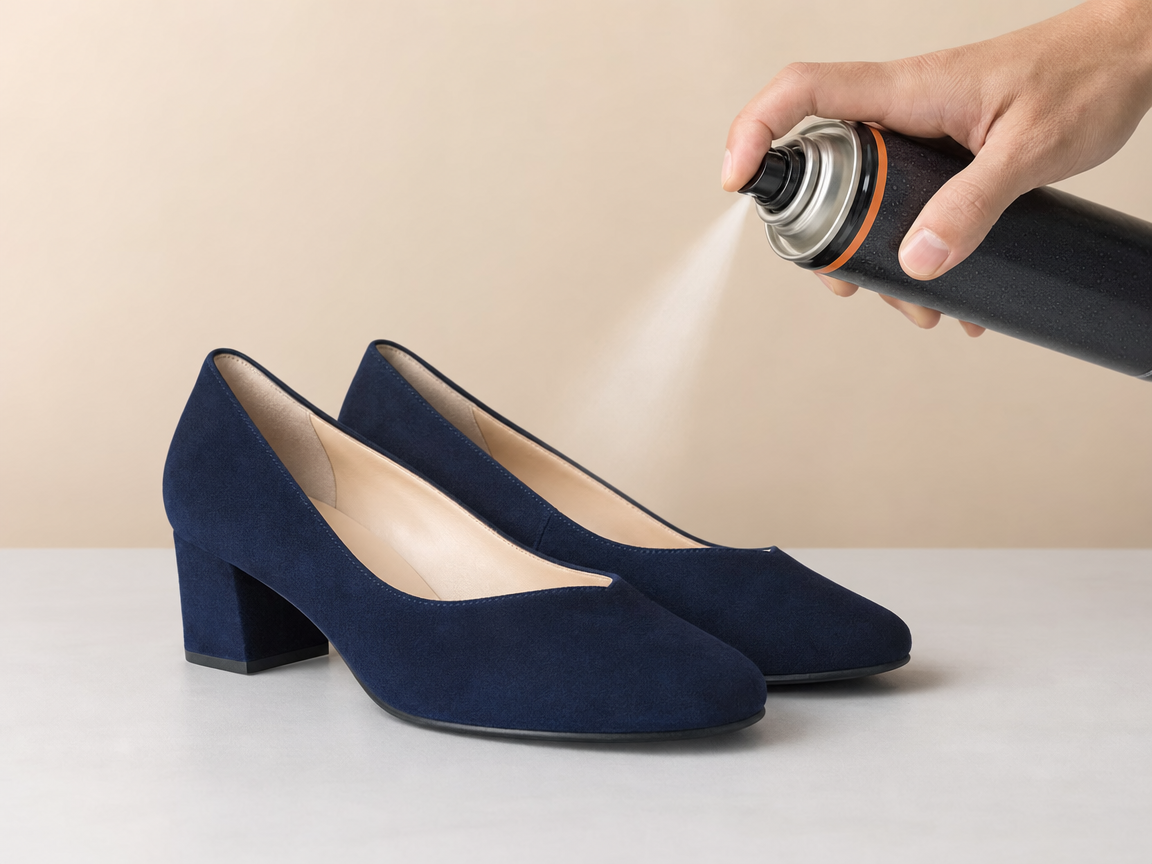
Let them dry naturally in a well-ventilated space, away from direct heat. No hairdryer, no heater, no sunny windows that turns the upper into something stiff and unhappy. Heat can dry out leather, warp structure, and weaken glues.
If the inside is damp, loosely stuff the shoes with paper to help absorb moisture and support the shape while they dry. And yes, let them dry fully before wearing them again. Half-dry shoes are rarely a great decision.
Leather shoes need more than the occasional wipe. Over time, the surface loses moisture, especially if the shoes are worn often or exposed to the elements.
Polish helps improve the finish and freshen the appearance. Conditioner helps keep the leather supple and reduces the chance of cracking. One is about presentation; the other is about longevity. Both matter. Also, you don’t need to overdo it. A simple routine with the right products usually works better than throwing everything at them at once.
People often focus on the upper because that’s what they see first, but worn soles and heels can quietly ruin an otherwise good pair. Keep an eye on heel wear, loss of grip, and uneven sole wear. These things affect comfort and stability, not just appearance. Left too long, they can also change how the shoe sits on your foot. A minor repair done early is usually much easier, and cheaper, than waiting until the damage becomes obvious enough to annoy you.
How you store shoes matters more than most people think. If they’re left in a heap near the door, crushed under other pairs or tucked away while still damp, they’re not going to age especially well. Shoes hold their shape better when they’re stored somewhere dry, ventilated, and not under pressure from everything else in the wardrobe.
Shoe trees are particularly useful for leather styles, but even just storing pairs neatly and giving them room helps… good storage is not glamorous, but it works.
Not every worn shoe needs replacing; not every damaged shoe is worth saving either.
If the issue is minor, such as heel wear, sole repair, loose stitching, or cosmetic scuffing, repair often makes sense, especially with quality footwear (good shoes are usually worth maintaining!).
Replacement tends to be the better option when the structure has broken down, support is gone, the upper is badly fatigued, or the shoe simply no longer feels good to wear. There’s not much value in keeping a pair that looks fine but feels wrong. Comfort counts.
Shoes don’t need exactly the same care all year round.
Obviously in wet weather, waterproofing becomes more important, along with proper drying and cleaning off moisture, mud, and residue before they settle in. In warmer weather, breathability matters more, and shoes tend to benefit from extra airing out between wears.
If you’re putting seasonal shoes away for a while, clean them first. Storing dirty shoes and hoping for the best is one of those decisions that never seems worth it later.
This doesn’t need to become a project. A realistic shoe care routine might look something like this: wipe shoes down after wear if needed, let them air out properly, clean them according to material, condition or polish leather when it starts looking dry or dull, and keep an eye on soles, heels, and overall shape.
That’s really it.
The goal is not perfection; it’s consistency. Small, sensible upkeep usually does more than the occasional burst of panic care right before a pair becomes unwearable.
People often think of shoe care as cosmetic, but it’s not just about keeping footwear looking presentable; it also helps protect comfort, fit, support, and longevity. Shoes that are clean, dry, conditioned, and well stored tend to feel better on the foot and last longer in the wardrobe (which, frankly, is what most of us want).
At Peter Sheppard, we believe quality footwear is worth caring for properly. The right shoe care routine helps protect the look, feel, and lifespan of the shoes you wear most. We carry an excellent range of sprays, creams, polishes, breeze fresheners and other shoe care accessories to help you keep your footwear looking as new as the day you bought them.
Whether you need guidance on leather care, shoe cleaning by material, waterproofing, or everyday maintenance, our team can help you choose the right products and the right approach. Because good shoes should not only look good on day one… they should still be going strong well after that.
Discover the best shoes for diabetes with expert tips on comfort, support, and protection to help prevent foot problems and support long-term foot health.
Learn how to care for shoes properly, clean them by material, and build a simple routine that helps them last longer and look better, with Peter Sheppard.

Discover the best shoes for bunions, with expert advice on comfort, fit, and support to reduce pain and protect your feet for everyday life.