Info Hub

All-Day Comfort Starts with the Right Work Shoes

There’s something about a good work shoe that goes beyond just ticking a dress code box.

It’s the pair you rely on from your first coffee to your last meeting, the one that quietly carries you through long hours on your feet, unexpected dashes between appointments, and everything in between.

And yet, it’s one of the most commonly overlooked wardrobe decisions.

We see it every day: people settling for shoes that look the part but feel it by midday. The truth is, the right work shoe should do both. It should support you, move with you, and still look polished enough to feel confident walking into any room.

So, whether you’re office-based, constantly on the move, or somewhere in between, here’s what to look for when choosing work shoes that genuinely work for you.

These are the Core Features of a Reliable Work Shoe

A dependable work shoe isn’t defined by style alone. It’s built around consistency – how it feels at 8am should be very close to how it feels at 5pm.

The key features we always look for start with structure. A well-constructed shoe will hold its shape, support your foot properly, and provide a stable base with every step. From there, it’s about balance… cushioning without being too soft, flexibility without losing support, and materials that adapt to your foot rather than fight against it.

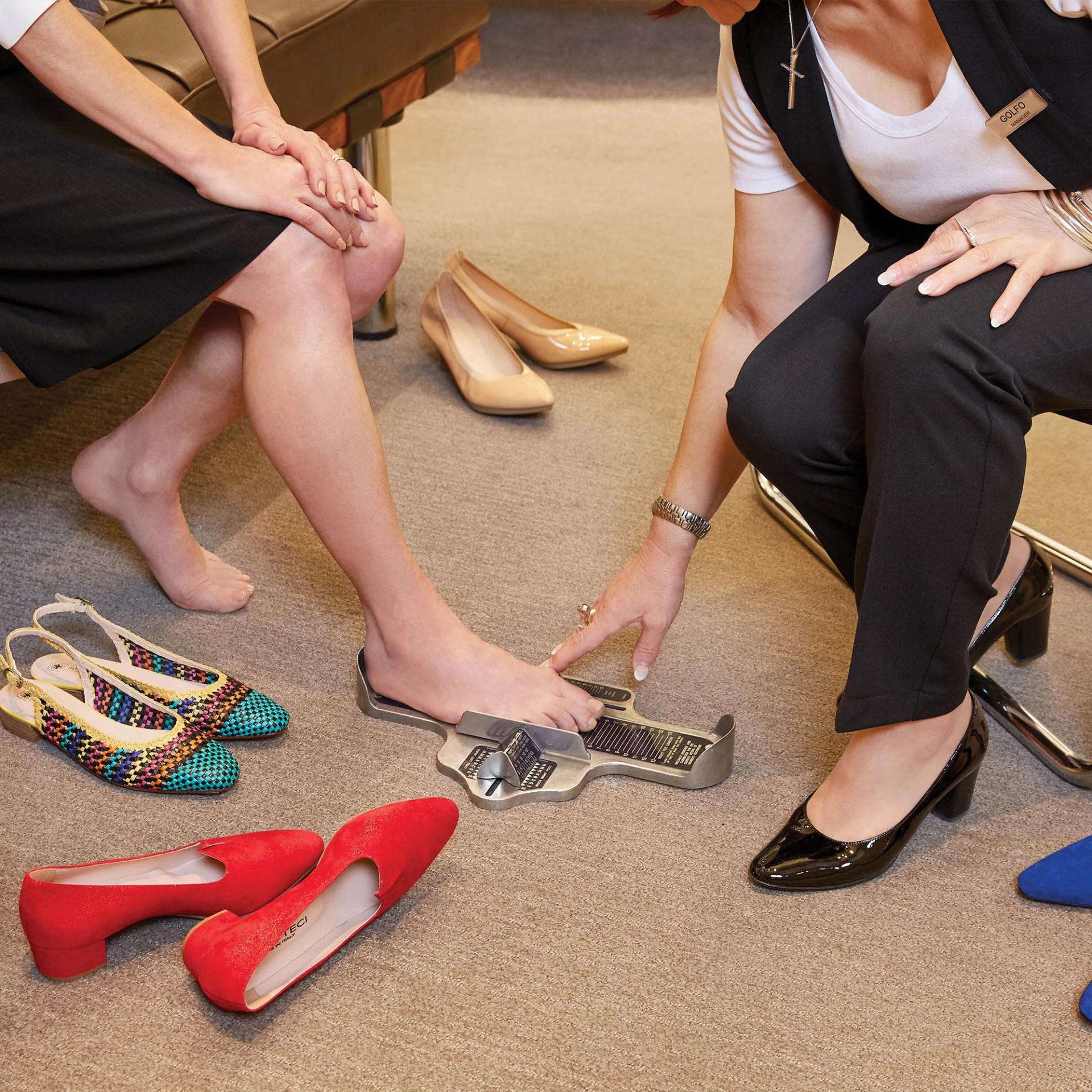
Fit also plays a major role. Shoes that are too tight, too loose, or simply the wrong width can quickly turn a standard workday into an uncomfortable one. This is where many people go wrong – choosing size over fit, when both matter equally.

A reliable work shoe should feel right from the moment you try it on, with just enough room to move naturally while still feeling secure.

Comfort for Prolonged Standing & Walking

If your workday involves long periods on your feet, comfort isn’t a luxury… it’s essential. What many people don’t realise is that discomfort often builds gradually. A shoe might feel fine when you first put it on, but without the right support and cushioning, fatigue sets in quietly. By the afternoon, you’re shifting your weight, adjusting your stride, or counting down the minutes until you can take them off.

The difference with a well-designed work shoe is immediate over time. You’ll notice less pressure through the heel and forefoot, more even weight distribution, and far less strain on your legs.

Look for shoes with adequate padding underfoot, a supportive midsole, and enough flexibility to allow natural movement. Lightweight designs also help reduce fatigue, particularly if you’re walking frequently throughout the day.

It’s not about softness alone… it’s about sustained comfort that lasts.

Support, Cushioning, and Foot Health Factors

Support is where a good shoe becomes a great one.

At its core, proper support helps maintain alignment – not just in your feet, but through your ankles, knees, and even your lower back. Without it, small imbalances can build into larger issues over time.

Cushioning plays a supporting role here, absorbing impact and reducing pressure on key areas like the heel and ball of the foot. But it needs to work alongside structure. Too much cushioning without support can feel unstable, while too little can leave your feet feeling every step.

Arch support is another important consideration, particularly if you’re prone to fatigue or discomfort. Some people benefit from built-in support, while others require shoes that can accommodate orthotics.

Ultimately, your work shoes should help your body work more efficiently (not make it work harder).

Balancing Professional Appearance & Practicality

It’s easy to assume you have to choose between looking polished and feeling comfortable. But the reality is, you really shouldn’t have to when you’re shopping in the right place.

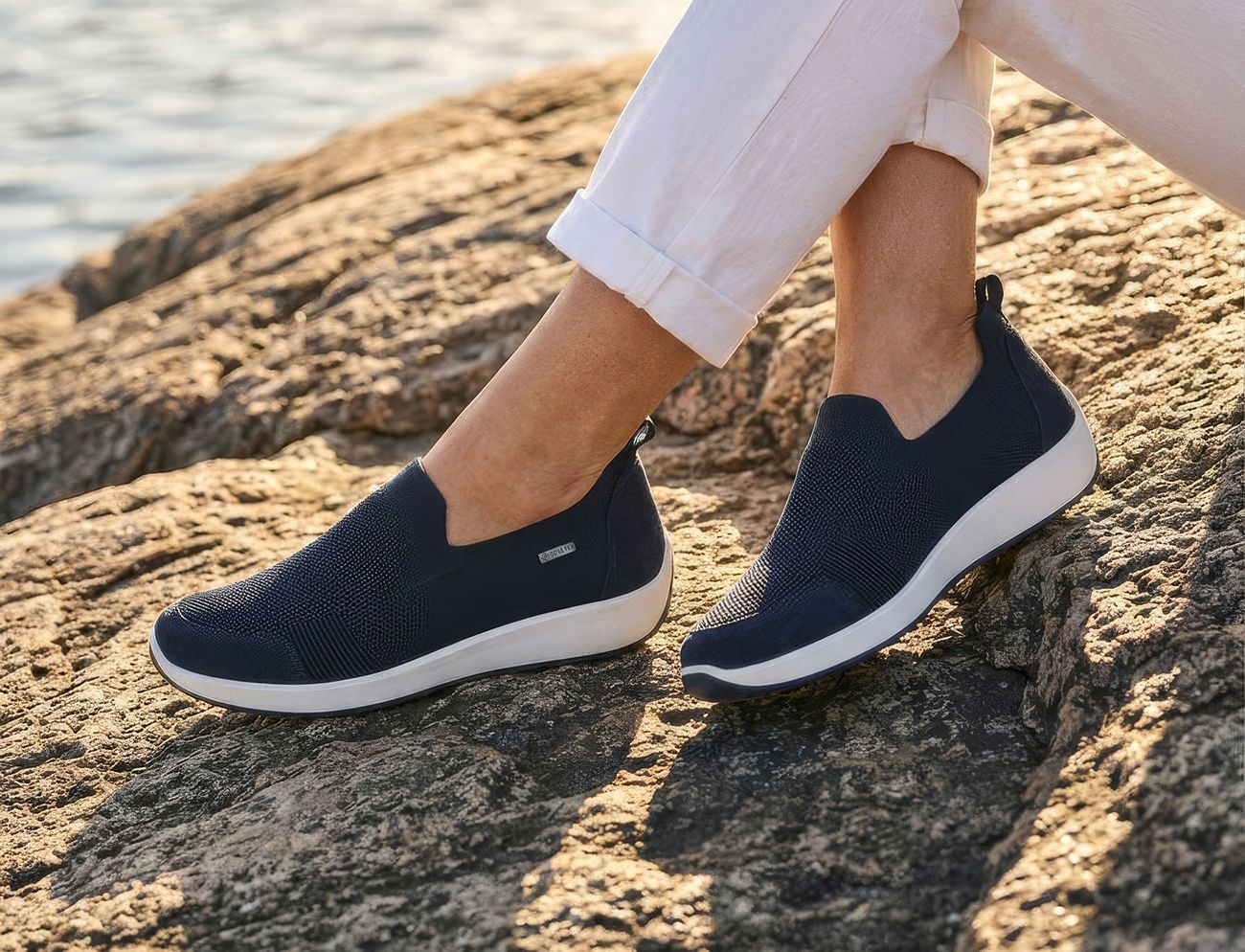
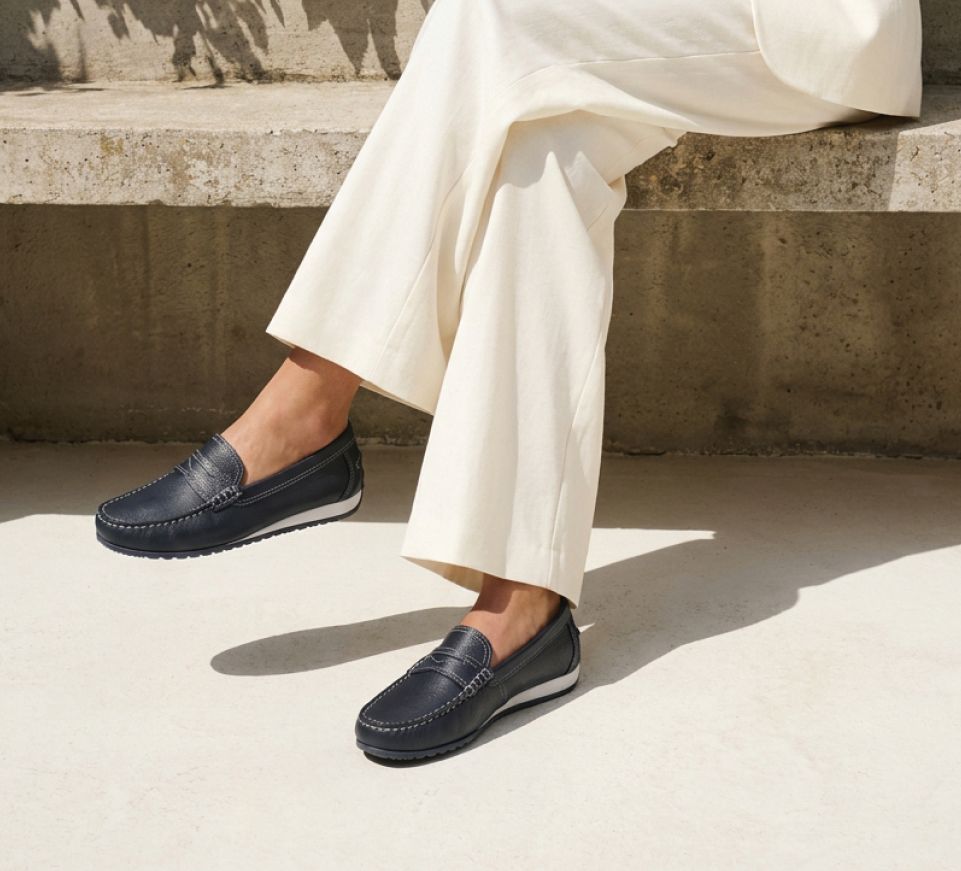
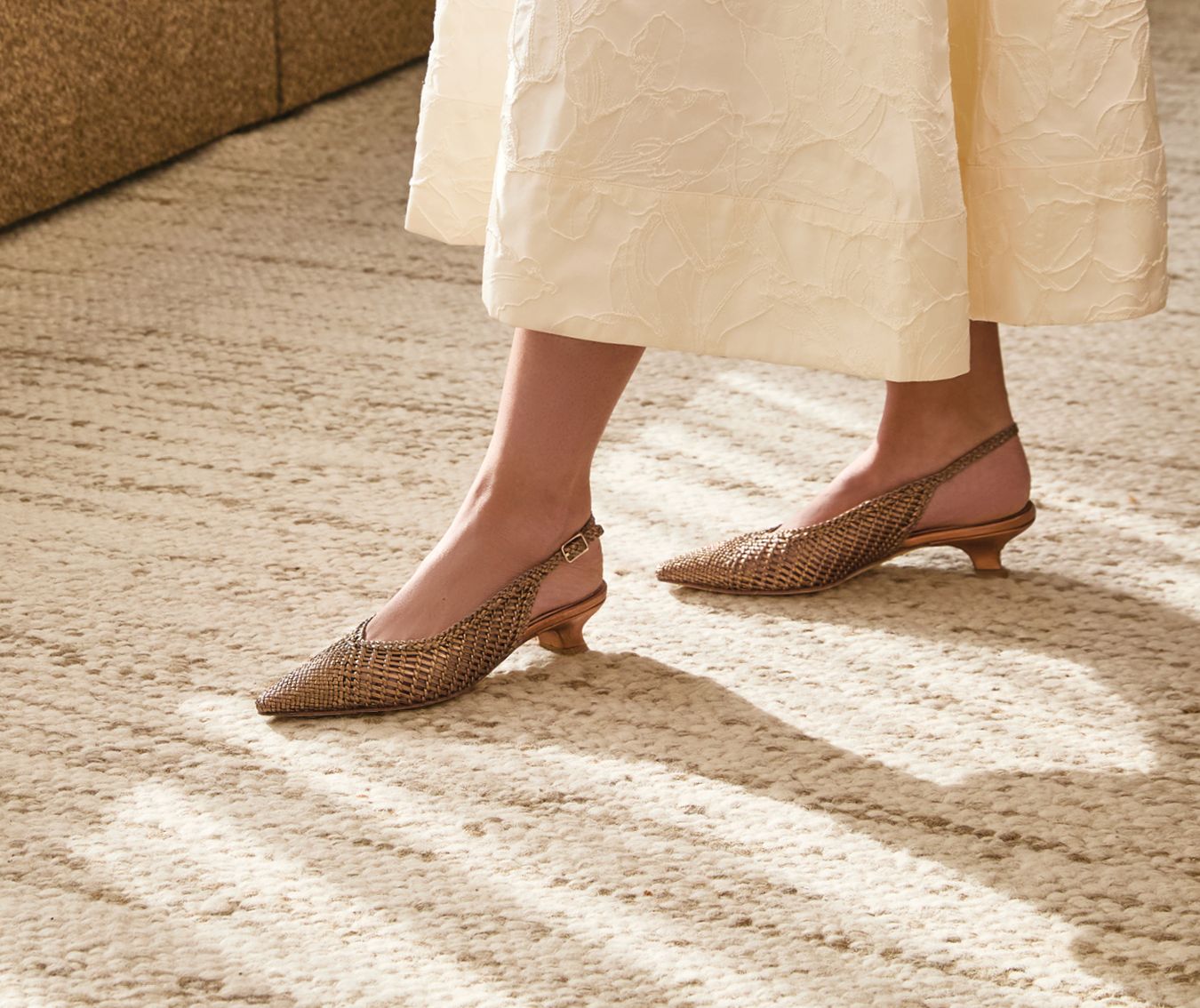
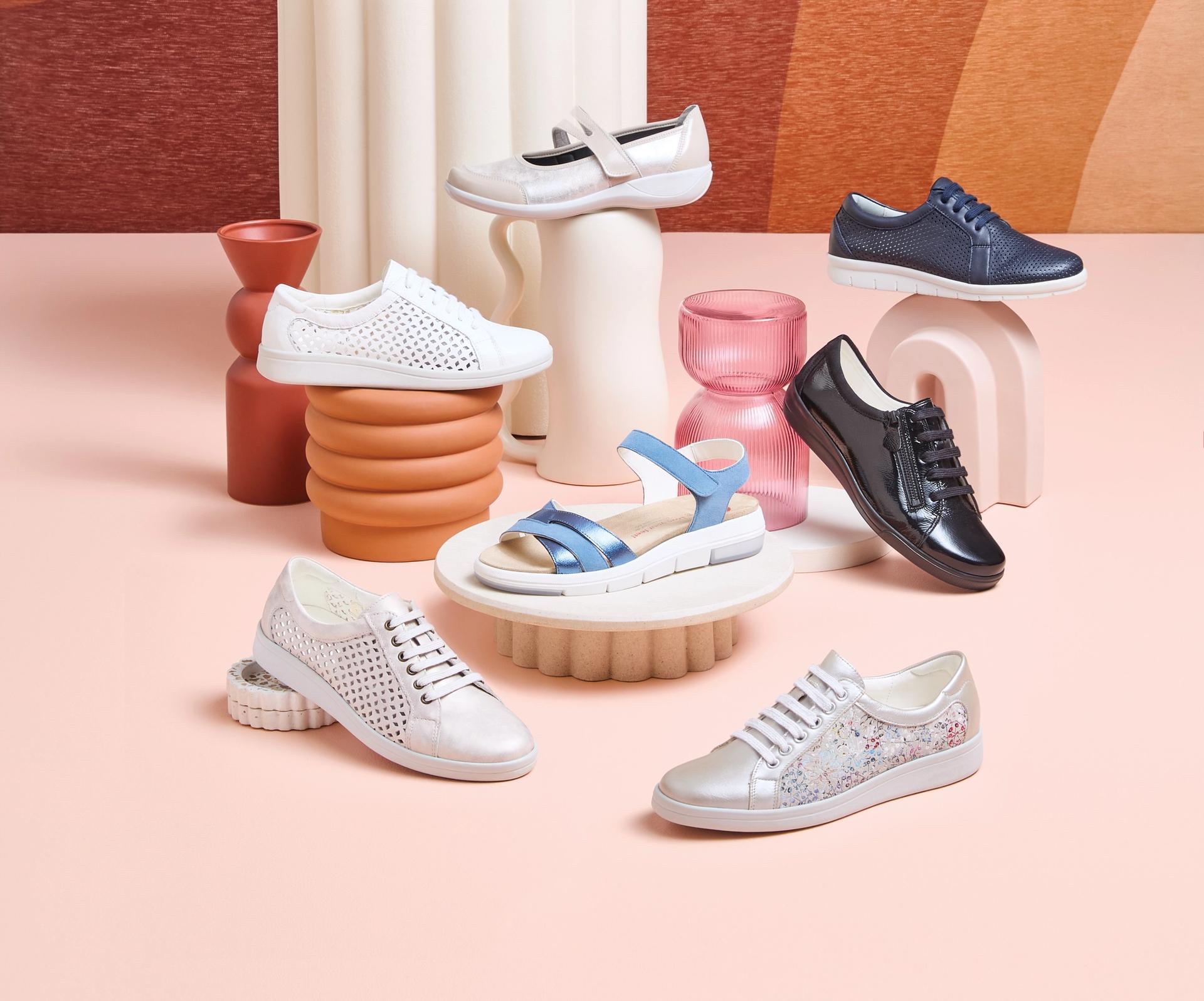
Modern work shoes have come a long way, especially when it comes to blending clean, professional design with everyday wearability. Sleek loafers, refined sneakers, low heels, and structured flats can all offer a smart appearance without sacrificing comfort. The key is in the details. A well-shaped toe, quality materials, and subtle design elements can elevate a shoe instantly, even if it’s built for all-day wear.

It’s also worth thinking about versatility – a shoe that transitions easily from desk to meetings to after-work plans can simplify your wardrobe and reduce the need for multiple pairs. When you get the balance right, your shoes stop being something you tolerate, and start being something you enjoy wearing.

Heel Height, Stability & Posture Considerations

Heel height can completely change how a shoe feels over the course of a workday. A slight elevation can help with posture and weight distribution, but once you move into higher heels, the balance shifts (quite literally!). More pressure moves onto the forefoot, and stability becomes more important with every extra centimetre.

That doesn’t mean heels are off the table… it just means being selective.

A well-designed mid-height heel, a block heel, or a wedge can offer a far more stable and wearable option than a narrow stiletto. The added surface area gives you better balance, while thoughtful construction helps keep your foot supported rather than strained.

For those who prefer flats, structure is key; completely flat shoes without support can be just as fatiguing as high heels. A slight lift and a supportive sole often make all the difference.

Ultimately, your shoes should work with your posture, not against it – keeping you steady, aligned, and comfortable from morning through to evening.

Material Selection for Durability & Breathability

The materials used in a work shoe do more than determine how it looks – they directly impact how it feels and how long it lasts.

Leather remains a standout choice for a reason. It moulds gently to your foot over time, offers natural breathability, and tends to wear in rather than wear out. That means fewer pressure points and a more personalised fit the longer you wear them.

Soft linings and quality inner materials also play a role, particularly if you’re wearing your shoes for extended periods. They help manage moisture, reduce friction, and keep your feet feeling fresh throughout the day.

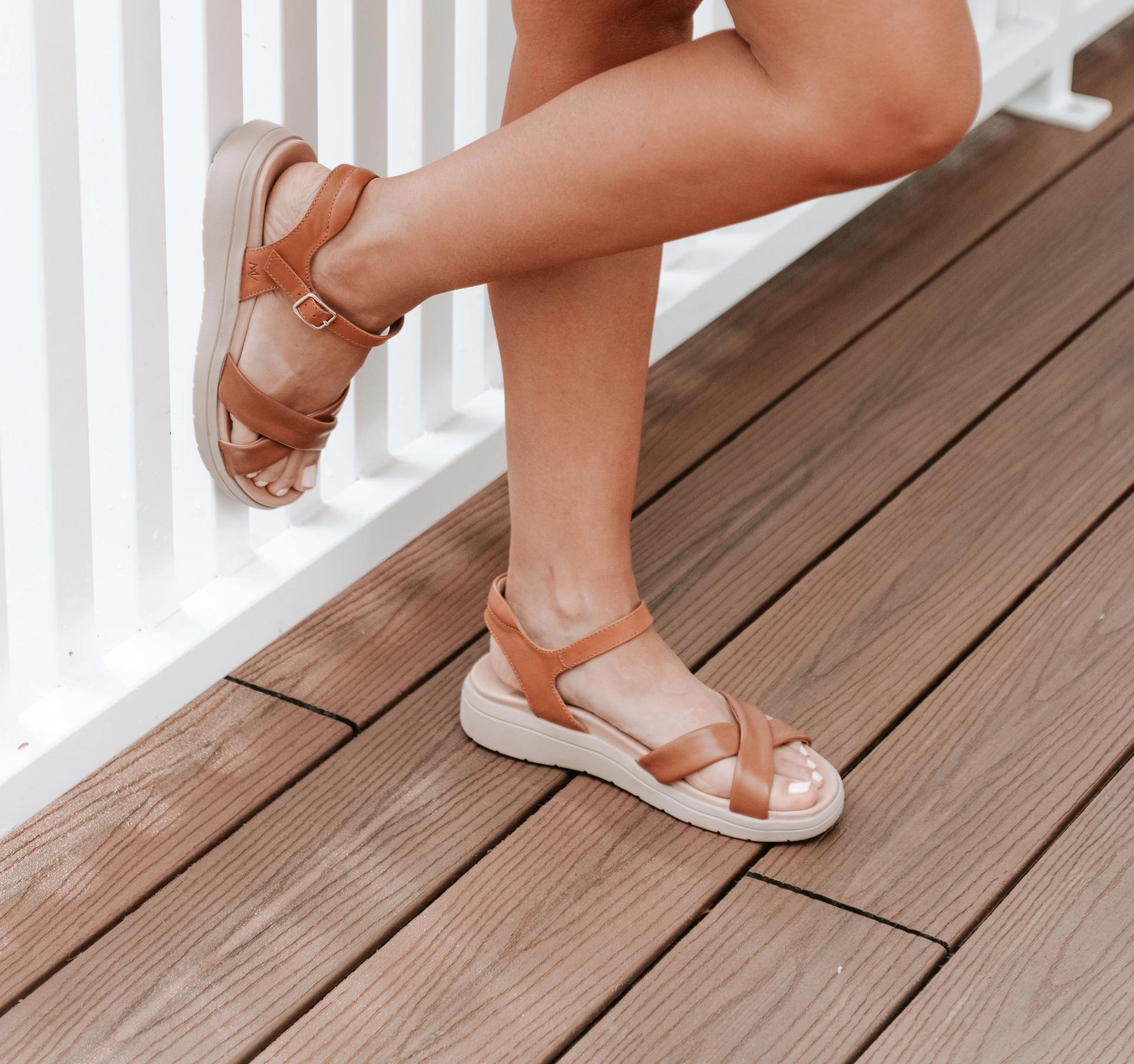
Breathability is especially important in warmer conditions or busy environments. Shoes that trap heat can quickly become uncomfortable, while those that allow airflow help maintain a more consistent, comfortable temperature.

When you choose quality materials, you’re not just investing in appearance… you’re investing in comfort that holds up over time.

Slip Resistance & Workplace Safety

In many work environments, grip matters just as much as comfort. Smooth surfaces, polished floors, or even a sudden change in conditions can increase the risk of slipping if your shoes don’t offer enough traction. A well-designed outsole with reliable grip helps you move confidently, without that subtle hesitation that comes from feeling unstable. Even in office settings, this can make a difference (particularly in shared spaces, stairwells, or entryways during wet weather).

It’s not about bulky or overly technical designs either; many modern work shoes incorporate slip-resistant features discreetly, maintaining a refined look while still offering practical benefits. Feeling secure underfoot allows you to focus on what you’re doing, rather than how carefully you need to walk.

Shoes for the Office vs Active Work Environments

Of course, not all workdays look the same, and your footwear should reflect that.

For office-based roles, the focus often leans towards clean lines and a polished finish. Loafers, structured flats, low heels, and refined sneakers can all fit comfortably within a professional setting while still offering all-day wearability.

In more active roles though, the priorities shift slightly. You might need greater cushioning, enhanced support, and more flexibility to handle frequent movement. Lightweight designs and shock-absorbing soles can make a noticeable difference by the end of the day.

There’s also a middle ground – roles that blend desk time with movement. In these cases, versatility becomes key. A shoe that looks appropriate in a meeting but still performs well on the move is often the ideal solution.

Matching your footwear to your actual day (not just your job title) is one of the smartest decisions you can make.

Managing Foot Fatigue Across Workdays

Foot fatigue doesn’t always come from one long day; it builds over time. Wearing the same pair every day, even if they’re comfortable, can lead to increased wear in certain areas and less overall support. Rotating between two or three pairs allows each shoe to recover its shape and cushioning, while also giving your feet slight variations in support.

There’s also small habits you can take onboard that will help as well – taking short breaks to move, stretch, or adjust your position can relieve pressure and improve circulation. If you’re seated for long periods, even a quick walk can reset how your feet feel.

And importantly, pay attention to early signs of discomfort. Addressing small issues early (whether it’s adjusting fit, adding support, or switching styles) can prevent them from becoming bigger problems.

Comfort is something you build, not something you leave to chance.

Here are Some Common Footwear Mistakes in People Make in Professional Settings

Even with the best intentions, a few common missteps can make work shoes far less comfortable than they should be.

One of the biggest is prioritising appearance alone. A shoe might look sharp in the morning, but if it doesn’t support your foot properly, it rarely holds up across a full day. Comfort and structure should always sit alongside style, not behind it.

Another is wearing the wrong size or width (it sounds simple, but it’s incredibly common!). Shoes that are too tight can create pressure and fatigue, while shoes that are too loose lead to instability and friction. A proper fit should feel secure without restriction.

Wearing the same pair every day is another trap; even the best shoes benefit from a break. Rotating your footwear helps maintain cushioning, reduces wear, and keeps things feeling fresher overall.

And finally, ignoring early discomfort. Small issues – a slight rub, a bit of pressure – tend to grow if left unchecked. The sooner you address them, the better your overall comfort will be.
Extending Shoe Lifespan Through Maintenance

A quality pair of work shoes is worth looking after – and with a little care, they’ll reward you with far longer wear. Regular cleaning is a good starting point. Removing surface dirt and dust helps maintain both appearance and material integrity, particularly with leather. Conditioning leather shoes can also keep them supple and prevent cracking over time.

Using shoe trees is a simple but effective habit; they help maintain shape, reduce creasing, and allow moisture to dissipate after a long day’s wear. It’s also worth paying attention to soles and heels. Addressing wear early (whether it’s re-soling or minor repairs) can significantly extend the life of your shoes.

Well-maintained footwear doesn’t just last longer… it continues to feel better, too.

Selecting Shoes Aligned with Workplace Dress Codes

Every workplace has its own expectations when it comes to footwear, but there’s often more flexibility than people realise.

In more formal environments, classic styles like loafers, low heels, and structured flats tend to be the go-to. Clean lines, neutral tones, and quality materials help create a polished, professional look. For business-casual settings, there’s usually room to move. Refined sneakers, softer silhouettes, and more relaxed designs can all work (as long as they still feel intentional and well put together).

The key is understanding the balance. You want shoes that meet the expectations of your workplace, while still supporting you throughout the day. When you find that balance, getting dressed for work becomes a lot simpler… and far more comfortable.

Get in touch

Finding the right work shoe isn’t always straightforward, but it makes a world of difference once you get it right. At Peter Sheppard, we’ve spent decades helping people navigate that balance between comfort, fit, and style. Whether you need something for long days on your feet, a polished option for the office or a versatile pair that can do both, our team is here to help you find what works for you.

With a carefully curated range of premium footwear and a genuine focus on fit, we’ll help you step into your workday with confidence and stay comfortable right through to the finish. If you’re ready to upgrade your work shoes, explore the range or get in touch with our team today.

Related Articles

Read All Articles
Read All Articles