The Three Main Types of Orthotics (And Who They’re For)
While orthotics come in many variations, most fall into three main categories: arch support orthotics, cushioned orthotics, and motion control orthotics. Each type is designed to solve a different problem, so let’s take a closer look.
Arch Support Orthotics – Building a Strong Foundation
Arch support orthotics are among the most widely recommended (and for good reason!). Your foot arch plays a central role in absorbing impact and distributing body weight. When it’s unsupported or unstable, other parts of the foot and leg have to work harder to compensate. Over time, this can lead to pain, fatigue, and injury.
These orthotics are designed to support and stabilise the arch of the foot, helping it maintain a healthy shape during everyday movement. They’re available in low, medium, and high arch profiles to suit different foot structures. Rather than allowing the foot to flatten or collapse, arch support orthotics gently guide it into a more efficient position.
Who benefits most from arch support orthotics?
Arch support orthotics are particularly helpful for people with:
- Flat feet or fallen arches
- High arches
- Ongoing arch pain
- Plantar fasciitis
- Heel discomfort
- General foot fatigue
They’re also popular with people who spend long hours on their feet, as unsupported arches tend to tire quickly.
How do they work?
When arches lack support, pressure concentrates in certain areas — usually the heel, forefoot, or inner edge of the foot. Arch support orthotics work by:
- Redistributing pressure more evenly
- Supporting the midfoot
- Reducing strain on tendons and ligaments
- Improving overall alignment
This helps reduce stress on the feet and legs, making walking and standing feel more natural.
The key benefits of arch support orthotics
With proper arch support, many people notice reduced heel and arch pain, less fatigue after long days, improved walking comfort, better balance and posture, and fewer flare-ups of foot conditions. They don’t just cushion your feet — they help them function more efficiently.
Are arch support orthotics right for you?
You may benefit from arch support orthotics if:
- Your shoes wear unevenly
- Your arches feel sore or tight
- Your calves are often tense
- You feel unstable when walking
- Heel pain keeps returning
These are common signs that your arches may need additional support.
Here’s a practical tip from Peter Sheppard
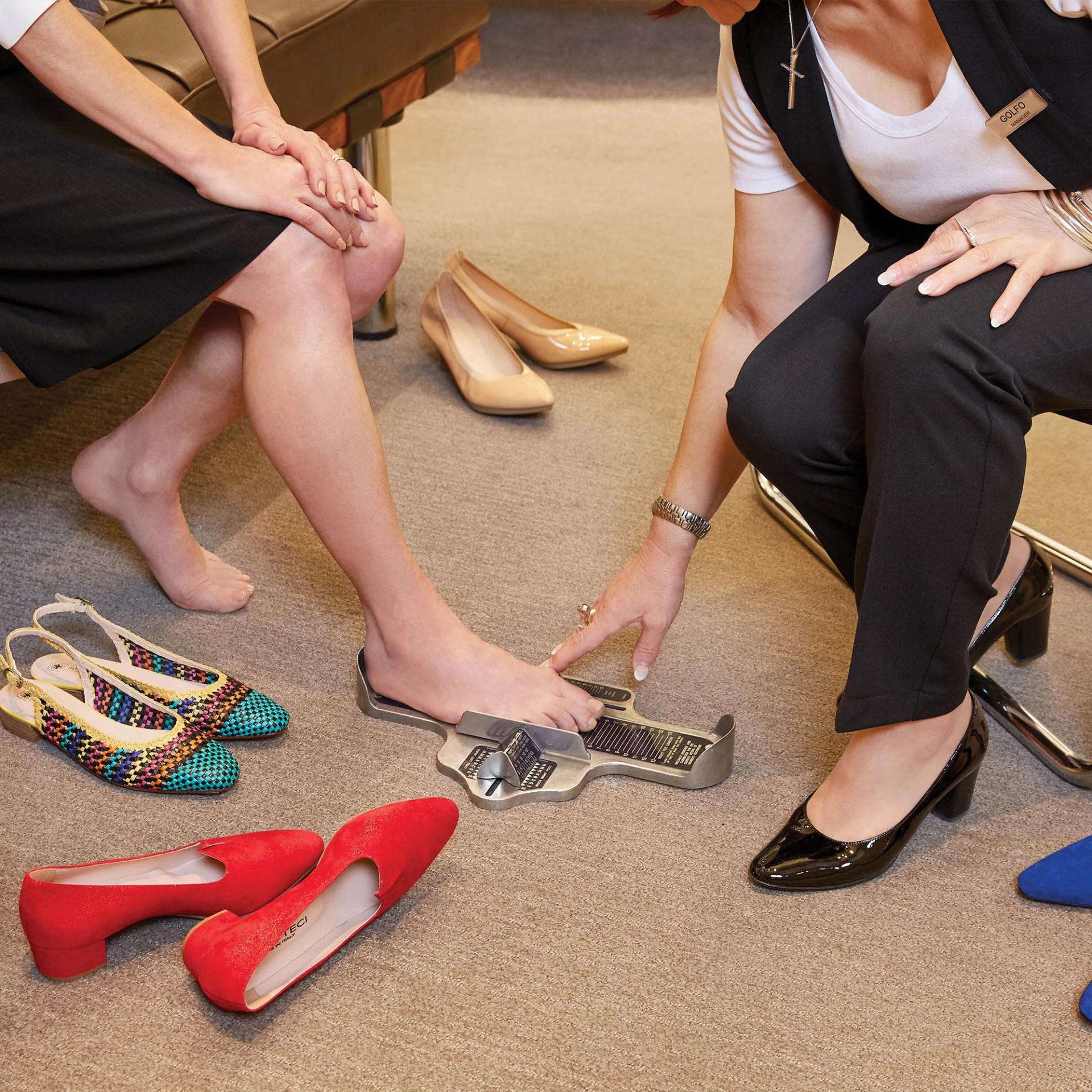
Not all “arch support” is the same… some insoles are very soft and flexible, offering minimal structure – others provide firm, contoured support that actively stabilises the foot. A good orthotic should feel supportive without being uncomfortable (noticeable, but not intrusive). This is where professional fitting advice becomes invaluable.
Cushioned Orthotics – Comfort, Shock Absorption, and Everyday Relief
For many people, foot discomfort has less to do with alignment and more to do with repeated impact. Every time your foot hits the ground, force travels through your heel, arch, and forefoot. Over hours and days, that constant pressure can build up, leading to soreness, fatigue, and aching joints — especially if you spend long periods walking or standing on hard surfaces. This is where cushioned orthotics really come into their own.
Cushioned orthotics are designed primarily to improve comfort and absorb shock. Instead of focusing on firm structural support, they use soft, resilient materials that help reduce pressure and soften impact. Most cushioned orthotics are made from combinations of gel, memory foam, EVA foam, or layered padding systems. These materials compress slightly when you step, then spring back into shape, creating a gentle “buffer” between your foot and the ground. In practical terms, they act like suspension for your feet.
Who are cushioned orthotics best suited to?
Cushioned orthotics are especially popular with people whose feet feel sore simply from being used all day. They’re often a great option for people who stand for long hours at work, walk extensively throughout the day, or spend a lot of time on hard floors. Hospitality workers, retail staff, teachers, healthcare professionals, and frequent travellers commonly benefit from this type of support. They’re also helpful for people dealing with heel pain, sensitive feet, or general foot fatigue that builds up over time rather than appearing suddenly.
How do they improve comfort?
Each time you walk, cushioned materials absorb some of the force that would otherwise be transferred directly into your joints and soft tissues. By spreading that pressure more evenly, cushioned orthotics help protect sensitive areas like the heel and ball of the foot – this reduces the “bruised” or aching feeling many people experience after a long day. They can also improve comfort in shoes that have firm soles or limited built-in padding, making those shoes far more wearable over longer periods.
Some of the benefits you might notice
When cushioned orthotics are well matched to your footwear, many people notice that their feet feel fresher for longer. Heel pain often becomes less intense, general soreness fades more quickly, and long days become easier to manage. Instead of feeling worn out by mid-afternoon, your feet are better able to cope with ongoing activity.
So… are cushioned orthotics right for you?
Cushioned orthotics are often a good choice if your main complaint is soreness rather than instability. If your feet feel tender, tired, or uncomfortable after standing or walking, and you don’t experience major balance or alignment issues, cushioning may be all you need to improve daily comfort – that being said though, it’s worth remembering that very soft insoles can sometimes reduce stability. The best cushioned orthotics balance softness with light structural support, so your foot still feels secure inside the shoe.
Motion Control Orthotics – Stability, Alignment, and Injury Prevention
While cushioned orthotics focus on comfort, motion control orthotics are designed for something different: stability. They’re made for people whose feet move too much during walking or running, particularly those who overpronate.
When you walk, your foot naturally rolls slightly inward as it absorbs impact (this movement is normal and helps with shock absorption). Overpronation occurs when that inward roll becomes excessive. When this happens repeatedly, it can affect how your entire body moves. Ankles may become unstable, knees may rotate awkwardly, and hips and lower back can start to compensate. Over time, this can contribute to ongoing discomfort and recurring injuries. Motion control orthotics are designed to limit this excessive movement.
Motion control orthotics use firmer materials and reinforced structures to guide the foot into a more neutral, stable position. They often feature strong arch support, deep heel cups, and stabilising elements along the inner edge of the insole – these components work together to hold the foot in place and prevent it from collapsing inward. Rather than simply cushioning impact, they actively influence how the foot moves.
Who benefits most from motion control orthotics?
Motion control orthotics are particularly helpful for people with flat feet, noticeable overpronation, unstable walking patterns, or recurring ankle and knee issues. They’re commonly used by runners and active individuals, but they’re just as valuable for everyday walkers who experience joint pain or balance problems linked to foot movement. If softer insoles haven’t provided lasting relief, motion control support is often worth exploring.
By holding the heel and midfoot in a more stable position, motion control orthotics help align the leg more effectively. This improved alignment reduces stress on joints, encourages more efficient movement, and lowers the risk of overuse injuries. Walking and running often feel smoother and more controlled, with less strain on the knees and hips – over time, this can make a significant difference to comfort and confidence.
Here are the benefits you may experience
With properly fitted motion control orthotics, many people notice improved balance, fewer aches and pains, and greater stability when walking. Joint discomfort often reduces, posture improves, and everyday movement feels more secure. For people who have struggled with recurring injuries, this added control can be particularly valuable.
Are motion control orthotics the way to go?
You may benefit from motion control orthotics if your ankles roll inward, your shoes wear out unevenly along the inside edge, or you regularly experience knee or hip discomfort linked to walking. If you’ve been told you overpronate, or if you feel unstable on your feet, this type of support is often worth considering. That said, motion control orthotics should never feel overly restrictive – they should support your movement, not fight against it. Comfort and proper fit remain essential.