Info Hub

Why Your Shoe Size Changes Over Time and What to Do About It

Discover why shoe size changes over time, how aging and lifestyle affect your feet, and get expert advice on finding comfortable, well-fitting shoes.

If you’ve ever pulled on a pair of shoes you’ve owned for years and thought, “Why do these suddenly feel wrong?” — you’re not going crazy.

For many people, shoe size isn’t something that stays fixed for life. It changes gradually, often without us noticing, until one day our once-favourite pair starts rubbing, pinching, slipping, or just feeling uncomfortable in ways it never used to.

Sometimes it’s subtle… a little pressure in the toes. A heel that slips more than it used to. Shoes that feel fine in the morning but tight by afternoon. Other times, it’s more obvious — blisters appearing out of nowhere, aching arches, or a sense that nothing fits quite right anymore.

What’s happening in most cases is simple: your feet are changing.

As we move through different stages of life, our foot length, foot width, arch height, and overall structure can shift. These changes affect how shoes fit, how they support us, and how comfortable they feel day to day. If we keep buying the same size out of habit, discomfort is almost inevitable.

Understanding why shoe size changes over time is the first step toward protecting your foot health and finding footwear that truly works for you (now… not 10 years ago).

Why Your Shoe Size Can Change Over Time

Foot size doesn’t usually change overnight; it’s a slow, gradual process influenced by age, lifestyle, health, and daily habits. Let’s look at the main reasons it happens.

Aging and Changes in Foot Structure

One of the biggest factors is simply getting older. Inside your feet is a network of ligaments, tendons, and soft tissues that help maintain your foot’s shape. Over time, these structures naturally lose some of their elasticity and strength – when that happens, the foot’s arch can begin to lower. As the arch drops, the foot spreads out slightly; and this often leads to an increase in foot length, a wider forefoot, and a flatter overall foot profile.

So even if you’ve worn the same size since your twenties, by your forties, fifties, or sixties, your feet may quietly be asking for more room. This is one of the most common reasons people find their shoes feel tighter than they used to — not because the shoes changed, but because their feet did.

Weight Fluctuations

Changes in body weight can also affect foot size and shape. When you gain weight, your feet carry more load with every step. Over time, that extra pressure can cause the foot to spread and flatten slightly, particularly through the midfoot and forefoot. Even modest weight changes can influence foot width, arch height, and overall stability.

On the flip side, significant weight loss can sometimes reduce swelling and pressure, which may slightly alter how shoes fit as well. It’s not something most people think about, but your feet respond to changes in your body just like the rest of you does.

Pregnancy and Hormonal Changes

Pregnancy is one of the most well-known causes of permanent shoe size changes. During pregnancy, the body releases hormones that relax ligaments in preparation for childbirth. These hormones don’t just affect the pelvis — they affect ligaments throughout the body, including in the feet.

Combined with weight gain and fluid retention, this often leads to lowered arches, increased foot length, and greater foot width. For some women, feet return close to their original size after pregnancy – for others, the change is permanent, meaning their “old size” never really fits the same way again.

Health Conditions and Foot Swelling

Certain health conditions can have a direct impact on foot size and comfort. For example:

  • Diabetes can affect circulation and sensation in the feet
  • Arthritis can change joint structure and alignment
  • Oedema (fluid retention) can cause ongoing swelling
  • Circulatory issues may lead to regular foot puffiness

When swelling becomes frequent or chronic, shoes that once fit comfortably can start feeling tight and restrictive. Over time, people may need a larger size, a wider fitting, or more adjustable footwear to stay comfortable. These changes aren’t just about comfort — wearing shoes that are too tight when swelling is present can increase the risk of skin irritation, pressure points, and foot problems.

Activity Levels and Lifestyle

How you use your feet day to day matters more than most people realise. If your lifestyle changes (for example, you start running regularly, spending more time on your feet at work, or increasing your walking), your foot muscles and structure can adapt.

High-impact or long-duration activity can contribute to arch fatigue, increased foot spreading, and changes in foot alignment. Even footwear habits play a role – years of wearing narrow shoes, unsupportive flats, or poorly cushioned styles can gradually influence how your feet behave.

In many cases, people only notice these changes once discomfort starts creeping in… which is often a sign it’s time to reassess fit.
How Foot Size Changes Affect Shoe Fit

When your feet change shape, size, or structure, it doesn’t always announce itself loudly; most of the time, it shows up in small, annoying ways that are easy to brush off at first. A bit of rubbing here. A sore spot there. Shoes that feel “fine” for an hour, then uncomfortable by lunchtime. Over time, though, those little signals add up.

When Comfortable Shoes Start Feeling… Not So Comfortable

One of the most common experiences people have is this: They keep buying the same size they always have — same number, same width — but somehow, the shoes never feel quite right anymore. That’s because shoe sizing is only a starting point; it assumes your foot hasn’t changed. When it has, that old size becomes less and less reliable.

As feet lengthen or widen, shoes that once fit properly can begin to:

  • Press on the toes
  • Rub at the heel
  • Feel tight across the forefoot
  • Create pressure on the sides
  • Lose their “balanced” feel

At first, it might just feel like the shoes need “breaking in”. But when every new pair needs weeks of adjustment, it’s usually a sign your feet and your sizing are out of sync.

Toe Box Pressure and Crowded Toes

One of the earliest problem areas is the toe box (the front part of the shoe where your toes sit). As feet widen naturally over time, especially through the forefoot, space in this area becomes more important. When there isn’t enough room, toes get squeezed together – this can lead to redness and irritation, blisters, corns and calluses, ingrown toenails, and worsening of bunions.

Even mild, ongoing pressure can slowly change toe alignment. Many people don’t realise that footwear plays a role in bunion development and toe deformities — it’s not just genetics. If your toes feel cramped by the end of the day, that’s your feet asking for more breathing room.

Arch Support and Alignment Issues

Changes in arch height can have a big impact on comfort, even if your shoe length hasn’t changed much. When arches flatten or weaken:

  • The foot becomes less efficient at absorbing shock
  • Weight distribution shifts
  • Pressure increases in certain areas
  • Fatigue sets in more quickly

Shoes that once felt supportive may suddenly feel flat, unstable, or tiring to wear. You might notice aching through the arches, heels, or lower legs after walking or standing. This is often where people start saying things like, “My feet get tired so much faster than they used to”. It’s rarely just “getting older” – more often, it’s about support no longer matching what your feet need.

Heel Slippage and Loss of Stability

Not all fit problems come from tightness. In fact, sometimes the opposite happens. As foot structure changes, particularly through the midfoot, some people notice their heels start slipping out of shoes that used to stay put. This can happen when the foot spreads forward, arch height drops, or overall foot volume changes.

When the shoe no longer hugs the foot properly, stability suffers. You may start gripping with your toes without realising it, which can contribute to fatigue and discomfort. Heel slippage is more than just annoying — it can affect your balance and increase the risk of rubbing and blisters.

Why “Same Size, Different Brand” Often Fails

A common reaction to fit issues is trying a different brand in the same size. Sometimes that works... often though, it doesn’t. That’s because shoe sizing isn’t universal; a size 39 in one brand can feel very different in another. Differences in toe box shape, width grading, arch placement, heel depth and last design all influence how a shoe fits.

When your feet have changed, these differences become more noticeable. What once felt “close enough” suddenly feels very wrong. That’s why people sometimes end up with a cupboard full of barely-worn shoes… technically they fit, but they never quite felt right.

The Hidden Cost of Poor Fit

Wearing shoes that no longer suit your feet doesn’t just cause short-term discomfort; over time, it can contribute to ongoing foot problems. Poor fit can increase the risk of:

  • Plantar fasciitis
  • Worsening bunions
  • Chronic heel pain
  • Joint stress
  • Postural issues

Your feet are your foundation – when they’re not supported properly, the effects can travel upward to knees, hips, and even the lower back. This is why addressing fit changes early makes such a difference; small adjustments now can prevent much bigger problems later.

What to Do About It – Here’s How to Accommodate Shoe Size Changes

Once you understand that changing foot size is normal, the next step is learning how to work with it instead of fighting it. A few simple habits and smarter buying choices can make a huge difference to long-term comfort.

Measure Your Feet Regularly

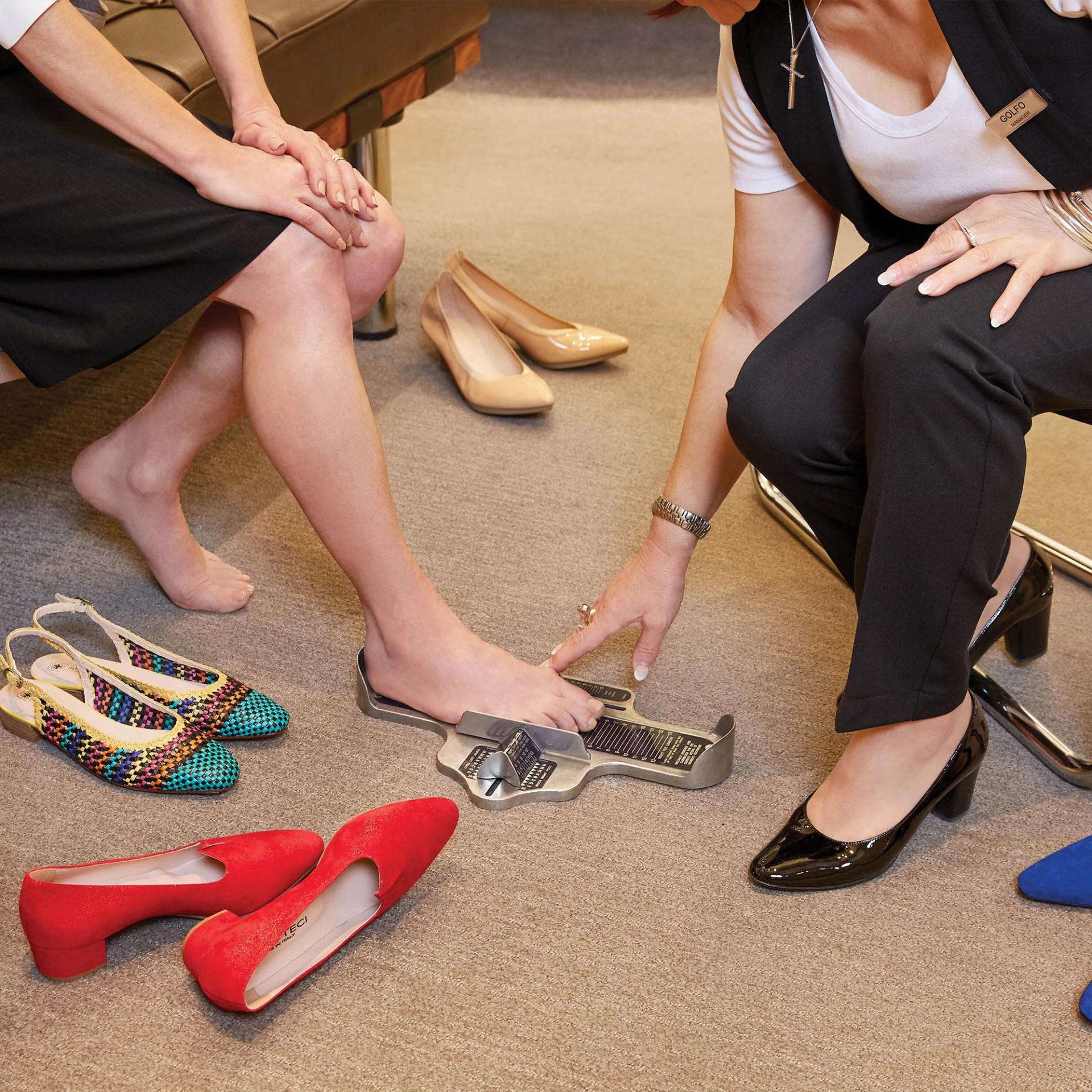
Most adults stop measuring their feet sometime in their twenties and never do it again. From then on, they rely on memory. The problem is… your feet don’t. A good habit is to have your feet measured every 6 to 12 months, especially if you’ve noticed any discomfort or fit changes.

This is particularly important if you’ve experienced:

  • Weight changes
  • Pregnancy
  • New health conditions
  • Increased time on your feet
  • Ongoing soreness

It’s also important to measure both feet – a lot of people have one foot slightly larger than the other, and that difference can become more noticeable over time. When that happens, it’s usually best to fit the larger foot and adjust the smaller one if needed

Choose Shoes with Adjustable Fit

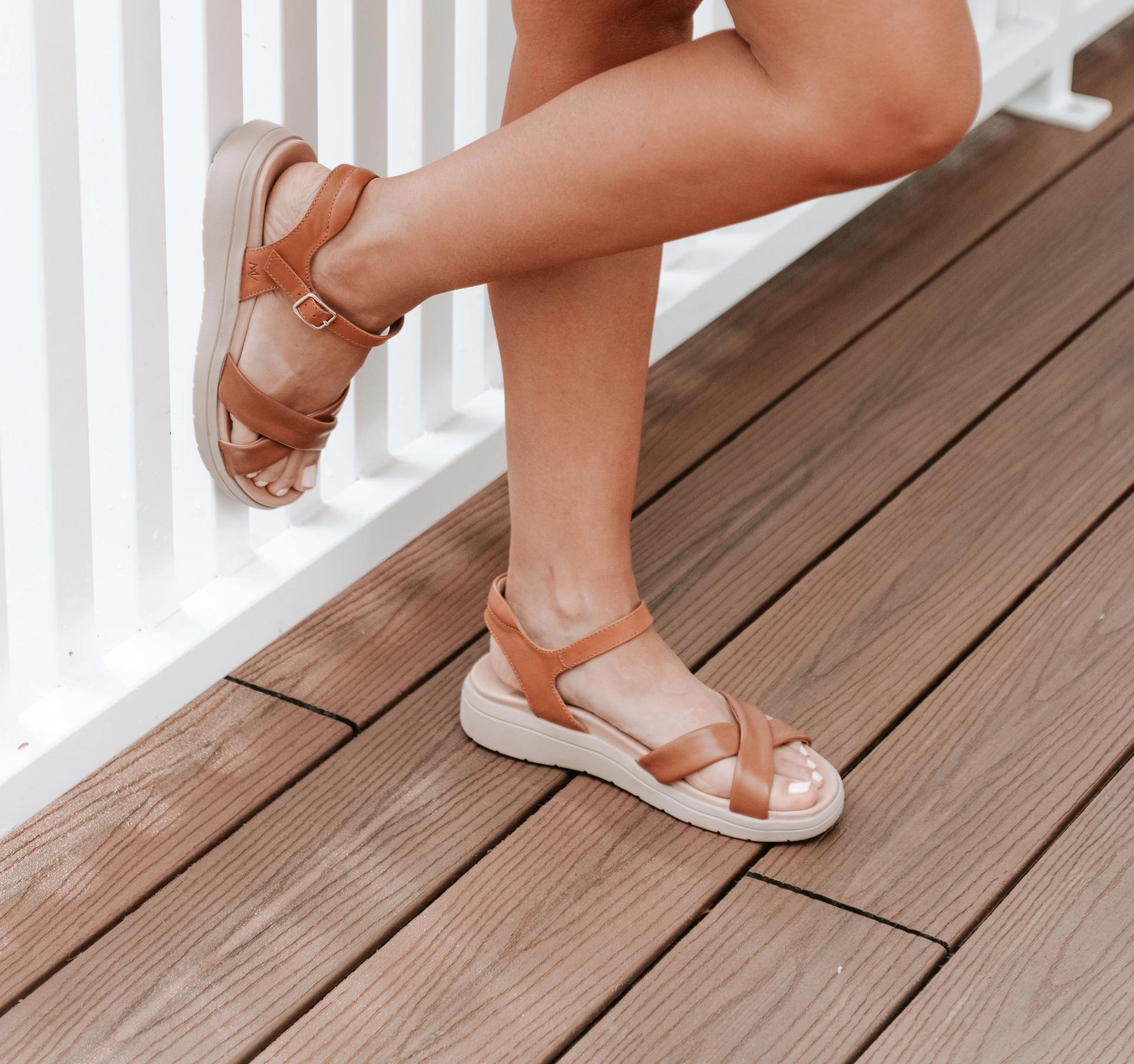
As feet change, flexibility in fit becomes more valuable. Shoes with adjustable features allow you to fine-tune how they sit on your foot from day to day, which is especially helpful if swelling or shape changes are involved. Look for styles with laces, buckles, straps and Velcro fastenings (these give you more control over width and volume than slip-on styles). Stretchable uppers can also be helpful – softer leathers and modern stretch materials adapt better to changes in foot shape and can reduce pressure points.

Allow a Little Extra Room

When feet widen or lengthen slightly, trying to “squeeze” into your old size rarely ends well. Instead, it’s often better to look for shoes that offer:

  • A wider toe box
  • Gentle cushioning
  • Stable arch support
  • Adequate depth

Room in the front of the shoe is especially important – your toes should be able to sit naturally without being pushed together. Shoes with removable insoles are another advantage, as they allow you to create more internal space if you use orthotics or need extra depth.

Know When to Seek Professional Advice

Sometimes, foot changes go beyond what footwear alone can fix. If you’re experiencing persistent pain, significant swelling, numbness or ongoing discomfort, it’s worth speaking with a podiatrist. They can assess whether structural issues, alignment problems, or medical conditions are contributing to your symptoms. Custom orthotics may be recommended in some cases, and having shoes that can accommodate them properly is essential.

Equally important is professional shoe fitting. Experienced fitters can assess length, width, arch support, and overall balance — things that aren’t always obvious when you’re trying shoes on quickly at home.

Keep Your Feet Strong and Flexible

Foot health isn’t just about shoes; maintaining strength and mobility helps support your natural foot structure. Simple habits can help, such as:

  • Stretching calves and arches
  • Gently rolling the soles of your feet
  • Doing basic toe and foot exercises
  • Avoiding unsupportive footwear for long periods

Strong, flexible feet cope better with change and are less likely to become painful over time.

Signs That Your Shoes are No Longer the Right Fit

Sometimes people adapt to uncomfortable shoes without realising it; they simply adjust their walking, tolerate mild pain, or assume discomfort is just part of life. But in reality, your feet usually give clear signals when something isn’t right. Pay attention if you notice:

  • Persistent pain or soreness
  • Blisters or calluses forming regularly
  • Hot spots or rubbing in the same places
  • Tingling or numbness
  • Cramped toes
  • Frequent heel slipping

If these issues appear in multiple pairs of shoes, it’s unlikely to be a coincidence – it’s usually a sign your sizing, width, or support needs have changed.

When is it Time to Replace Your Shoes?

Even well-made shoes don’t last forever. Over time, cushioning compresses, support structures weaken, and materials lose their ability to hold the foot properly. When that happens, even shoes that once fit perfectly can start causing problems. It may be time to replace your shoes if:

  • The soles are worn unevenly
  • The heel feels unstable
  • The shoe has lost its shape
  • Cushioning feels flat
  • Support no longer feels reliable

As a general guide, everyday shoes worn regularly often need replacing every 12 to 18 months (high-use walking or work shoes may need replacing sooner). Rotating between a few pairs can help extend their lifespan and give your feet some variety in support.

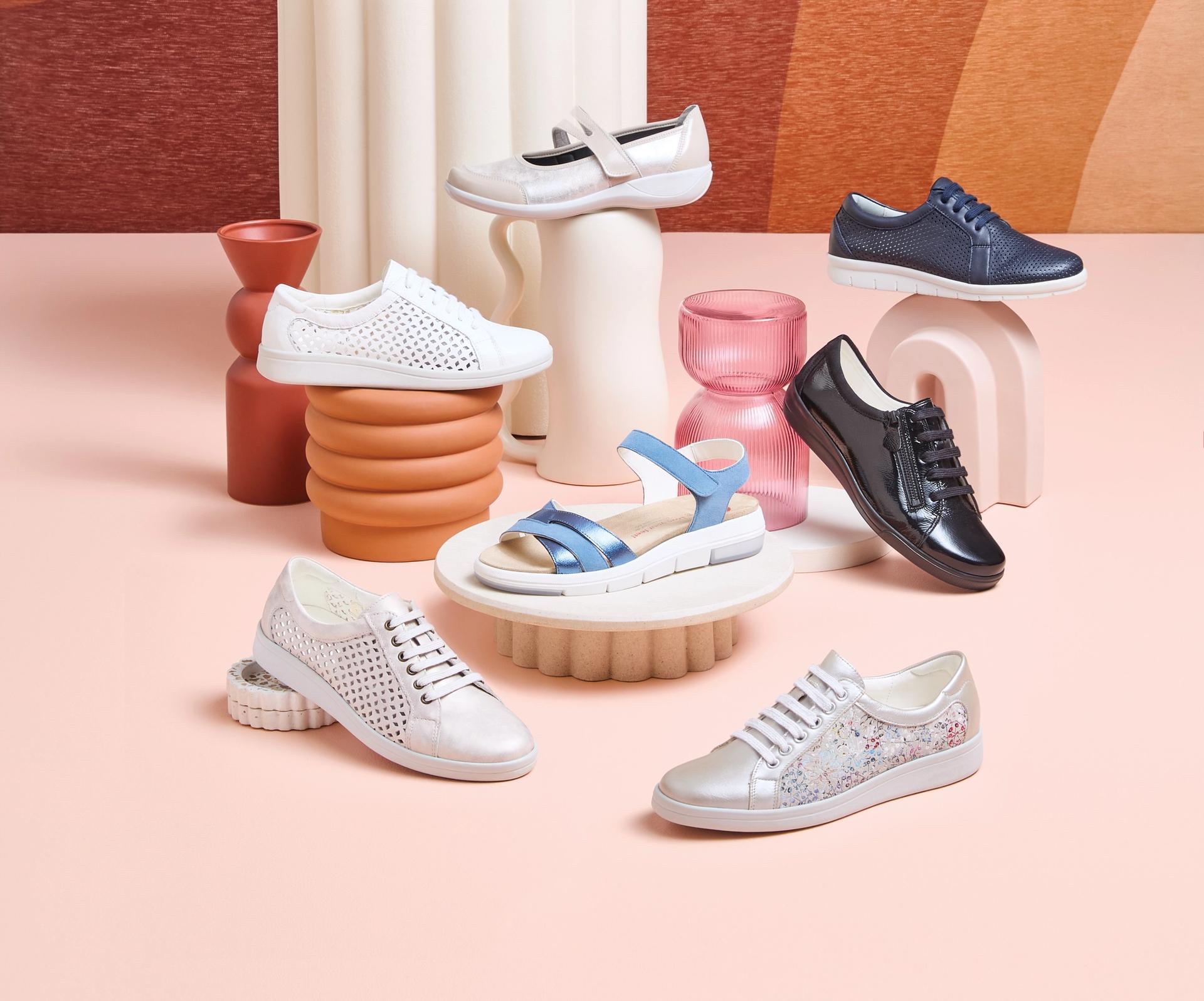
If it is indeed time to replace your shoes, here are some shoe styles that tend to work better than others:

  1. Wide-Fit Shoes: Designed to accommodate broader forefeet and prevent toe crowding.
  2. Adjustable Shoes: Styles with laces, straps, or fastenings that allow personalised fit.
  3. Orthotic-Friendly Shoes: Shoes with removable insoles and adequate depth for custom support.
  4. Stretchable Shoes: Footwear made from soft, flexible materials that adapt to changing foot shapes.

Staying comfortable as your feet change, with Peter Sheppard

Foot size changes are a normal part of life. They don’t mean anything is “wrong” — they simply reflect how your body adapts over time. What matters most is staying aware of those changes and responding to them early. Rather than sticking stubbornly to the size you’ve always worn, it’s worth letting your feet tell you what they need now. They’ve been carrying you around for years... looking after them properly is a pretty good investment.

Related Articles

Read All Articles
Read All Articles