Info Hub

Best Shoes for Flat Feet and Overpronation: Comfort, Support, and Alignment

Discover the best shoes for flat feet and overpronation, along with our helpful tips on support, comfort, alignment, and choosing footwear that reduces pain.

If you’ve ever finished the day with aching feet, sore knees, or a stiff lower back, your shoes might be doing more harm than you realise. For people with flat feet or overpronation, footwear isn’t just about style – it plays a major role in how comfortable you feel, how you move, and how your body holds itself throughout the day.

When your feet don’t get the support they need, small issues can quietly turn into long-term problems. What starts as mild foot fatigue can become ongoing pain, joint strain, and posture issues that affect everything from your hips to your shoulders.

The good news? The right shoes really can make a difference. Whether you’re on your feet all day, staying active, or simply tired of sore arches, this guide will help you understand what to look for (and why it matters!).

What Do We Mean by Flat Feet/Overpronation?

Before we talk about shoes, it helps to understand what’s happening underneath your feet. Flat feet and overpronation are closely related – many people experience both, often without realising it.

Understanding Flat Feet

Flat feet – sometimes called “fallen arches” – occur when the natural arch of the foot is very low or completely collapsed. Instead of having a gentle curve through the middle of the foot, the sole sits mostly flat on the ground. For some people, this has been the case since childhood. For others, arches gradually fall over time due to ageing, injury, weight changes, or long periods of standing.

Having flat feet doesn’t automatically mean something is wrong; many people live comfortably with low arches. The problems tend to arise when the feet don’t get enough support and start working harder than they should. Without proper structure, flat feet can place extra strain on muscles, ligaments, and joints. Over time, this can lead to soreness, instability, and fatigue – especially after long days on your feet.

What About Overpronation?

Pronation is the natural rolling motion of the foot as you walk or run. A small amount is normal and healthy – it helps absorb shock and keeps your movement smooth. Overpronation happens when the foot rolls too far inward with each step. Instead of landing evenly, the ankle tilts inward and the arch collapses more than it should (this throws off alignment through the legs and changes the way your body absorbs impact).

You may notice signs like:

  • Shoes wearing down more on the inside edge
  • Ankles appearing to lean inward
  • Knees turning slightly in when you walk
  • Feeling unstable on uneven ground

Over time, this inward rolling can affect much more than just your feet.

How Flat Feet and Overpronation Affect the Body

Your feet are the foundation of your body – when they’re out of alignment, everything above them has to compensate. Flat feet and overpronation can contribute to:

  • Ongoing arch or heel pain
  • Ankle discomfort or weakness
  • Knee strain
  • Hip tightness
  • Lower back soreness
  • General foot fatigue
  • Feeling “worn out” after standing or walking

Many people are surprised to learn that their back or knee pain may actually start at their feet. When your feet aren’t properly supported, your body works harder to stay balanced. Muscles tighten. Joints absorb extra pressure. Posture slowly shifts. Over months and years, this adds up.

A Simple Way to Check Your Foot Type

If you’ve never been assessed professionally, there are a few small signs that may suggest flat feet or overpronation:

One easy method is the “wet footprint test”. Step out of the shower with damp feet and walk across a dry surface. If your footprint shows almost the entire sole, with little curve in the middle, you may have low arches. You might also notice:

  • Shoes collapsing inward quickly
  • Insoles wearing unevenly
  • Tired feet even after short walks
  • Difficulty finding shoes that feel “stable”

These signs don’t replace professional advice of course, but they can be a helpful starting point.

How the Right Shoes Help with Flat Feet and Overpronation

Shoes aren’t just something you put on before leaving the house – for people with flat feet and overpronation, they act almost like external support systems. The right pair can help guide your feet into better alignment and reduce unnecessary strain with every step.

Supporting Natural Foot Alignment

Supportive shoes help prevent the foot from collapsing inward too much. Instead of allowing excessive rolling, they gently encourage a more balanced movement pattern – this helps keep ankles more upright, reduce stress on knees, improve overall posture, and make walking feel more stable. Over time, this improved alignment can significantly reduce everyday discomfort.

Reducing Impact and Fatigue

When your arches collapse, your feet lose some of their natural shock absorption; and that means more impact travels upward into your legs and back. Good cushioning and structured midsoles help absorb this impact before it reaches your joints. The result is less fatigue and fewer “heavy legs” at the end of the day. Many people notice that once they switch to supportive footwear, they don’t feel as exhausted after work or long outings.

Improving Stability and Confidence

Overpronation often creates a subtle feeling of instability, even if you don’t consciously notice it. You may feel less confident on stairs, slopes, or uneven ground. Supportive shoes with firm heel counters and stable platforms give your feet a more secure base (this can improve balance and reduce the risk of small strains and missteps).

Supporting Orthotics When Needed

For some people, orthotics are part of managing flat feet (the right shoes make a big difference here too!). Shoes designed with removable insoles and enough internal depth allow orthotics to sit properly. Without this space, even the best orthotic won’t work as intended. Supportive footwear and orthotics often work best together – not as separate solutions, but as part of the same system.

Here’s What Features to Look for in Shoes for Flat Feet and Overpronation

When you’re shopping for shoes with flat feet or overpronation, it’s easy to feel overwhelmed. Every brand promises “comfort” and “support”, but not all support is created equal. The right shoes don’t just feel soft – they help your feet move better and stay aligned throughout the day.

Here are the features that really matter.

Arch Support: Your Foundation

If you have flat feet, arch support isn’t optional — it’s essential. A supportive arch helps stop the foot from collapsing inward and spreads pressure more evenly across the sole. Without it, your muscles have to work overtime just to keep you balanced. Good arch support should feel:

  • Supportive, not hard
  • Noticeable, but not uncomfortable
  • Stable under the midfoot

If a shoe feels completely flat inside, it’s unlikely to give you the structure you need. Having said that though, arch support also shouldn’t feel like a lump under your foot. If it does, it’s probably the wrong shape for you.

Cushioning: Comfort Without “Sink”

Cushioning is important… but more isn’t always better. Very soft, squishy shoes can feel lovely in the shop and terrible after a few hours. They allow your feet to sink in and roll inward even more. What you want is balanced cushioning:

  • Soft enough to absorb shock
  • Firm enough to stay supportive
  • Stable under pressure

Think “supportive comfort”, not “marshmallow softness”. Well-designed cushioning reduces foot fatigue and helps protect your knees, hips, and back from repeated impact.

Motion Control: Keeping Your Feet in Line

Motion control is what helps manage excessive inward rolling. In supportive shoes, this usually comes from firmer materials on the inside edge of the sole, reinforced midfoot areas, and structured sidewalls. You might not see it easily, but you’ll feel it when you walk – the shoe gently guides your foot into a more neutral position instead of letting it collapse. This feature is especially helpful for runners, people who walk long distances, and anyone with noticeable ankle rolling.

Firm Midsole: The Hidden Hero

The midsole sits between the outer sole and the insole. It’s one of the most important parts of a supportive shoe (and unfortunately one of the most overlooked). A good midsole doesn’t twist easily, it holds its shape over time, and it provides consistent support. Here’s a quick test: try gently twisting the shoe. If it folds like a towel, it probably won’t control overpronation well. You want some flexibility at the toes, but firmness through the middle.

Wide Toe Box: Let Your Feet Breathe

Flat feet often come with wider forefeet. When shoes squeeze the toes together, it can create new problems on top of existing ones. A wider toe box allows natural toe spread, better balance, reduced pressure points and less friction. Your toes should be able to wiggle freely – if they feel cramped, the shoe isn’t doing you any favours (no matter how “supportive” it claims to be!).

Stable Heel: Anchoring Every Step

The heel counter is the firm part at the back of the shoe that holds your heel in place. For flat feet and overpronation, this is crucial. A good heel counter feels firm when you squeeze it, holds your heel upright, and reduces wobbling. If the heel collapses easily, the shoe won’t offer much control… this small detail makes a big difference to overall stability.

Orthotic-Friendly Design (When Needed)

If you wear orthotics (or you think you might in the future), shoe design matters even more. Look for shoes with removable insoles, enough internal depth, and secure heel support. Without these features, orthotics may sit too high or feel unstable. Many people find that supportive shoes and orthotics together give the best long-term results.
Here are the Most Common Mistakes to Avoid When Choosing Shoes

Even with the best intentions, many people accidentally choose shoes that make flat feet and overpronation worse. Here are some of the most common traps.

Choosing Shoes That are “Comfortable” but Unsupportive

This is probably the biggest mistake. A shoe can feel comfortable for 10 minutes in-store and be terrible after eight hours. Soft liners, padded collars, and cushioned footbeds feel nice — but they don’t replace proper structure. If a shoe feels great but has no arch support, a flimsy sole and no heel stability; it’s unlikely to help long-term. Comfort should come from support, not just softness.

Falling for Fashion Trainers and Minimal Sneakers

Many popular casual sneakers look great — and offer almost no support. Thin soles, flexible midsoles, and flat interiors are common in fashion-focused shoes; unfortunately, these designs usually allow excessive pronation. Wearing them occasionally is fine. Wearing them every day with flat feet can quietly increase discomfort. If you love this style, try to look for versions with built-in support.

Wearing Shoes That are Too Tight or Too Loose

Fit matters just as much as design. Shoes that are too tight can restrict toe movement, create pressure points and worsen fatigue. On the other hand, shoes that are too loose can allow excess foot movement, reduce stability, and increase friction. Your heel should feel secure. Your toes should feel free. The shoe should feel stable without being restrictive.

Ignoring Uneven Wear Patterns

Your old shoes tell a story. If the inside edge of the sole wears down quickly, that’s a strong sign of overpronation. Continuing to buy the same unsupportive style only repeats the cycle. Pay attention to how your shoes wear out — it’s valuable information.

Putting Off Orthotics When You Need Them

Some people resist orthotics because they seem “serious” or inconvenient. But if you’ve tried multiple supportive shoes and still experience pain, custom inserts may be worth considering. They don’t mean anything is “wrong” with you – they simply provide tailored support that off-the-shelf shoes can’t always deliver.

Holding Onto Worn-Out Shoes for Too Long

Supportive shoes don’t last forever. Over time, the midsoles compress, cushioning breaks down, and the structure weakens. A shoe that once helped you may eventually stop doing its job. If your supportive shoes are more comfortable than your newer ones, it might be time to replace them.

When to See a Podiatrist or Consider Custom Orthotics

For many people with flat feet and overpronation, supportive shoes alone are enough to make a noticeable difference… but sometimes, footwear needs a little extra help. That’s where podiatrists and custom orthotics come in.

Signs You May Need Professional Advice

If you’ve tried good-quality supportive shoes and still experience ongoing discomfort, it may be time to seek expert guidance. Common signs include:

  • Persistent foot or heel pain
  • Ongoing knee, hip, or back issues
  • Frequent ankle strains
  • Pain that limits daily activity
  • Discomfort that doesn’t improve with better shoes

These symptoms don’t mean something is seriously wrong. They simply suggest that your feet may need more personalised support.

How Podiatrists Help

A podiatrist looks at more than just your feet. They assess how you walk, how your joints move, and how your body distributes pressure – this might include gait analysis, posture assessment, pressure mapping and joint mobility testing. From there, they can recommend targeted strategies like footwear styles, exercises, or orthotics.

Understanding Custom Orthotics

Custom orthotics are inserts made specifically for your feet. Unlike generic insoles, they’re designed to match your foot shape and movement patterns. They can help:

  • Improve alignment
  • Reduce overpronation
  • Relieve pressure points
  • Support collapsed arches
  • Reduce fatigue

It’s important to remember that orthotics work best when paired with the right shoes. Without proper footwear, even the best inserts can’t do their job properly.

Shoes and Orthotics are a Team Effort

Many people think it’s “either shoes or orthotics”. In reality, it’s often both. Supportive shoes provide the structure. Orthotics fine-tune the support. Together, they create a more stable, comfortable foundation for your body.

Why Professional Shoe Fitting Makes All the Difference in the World

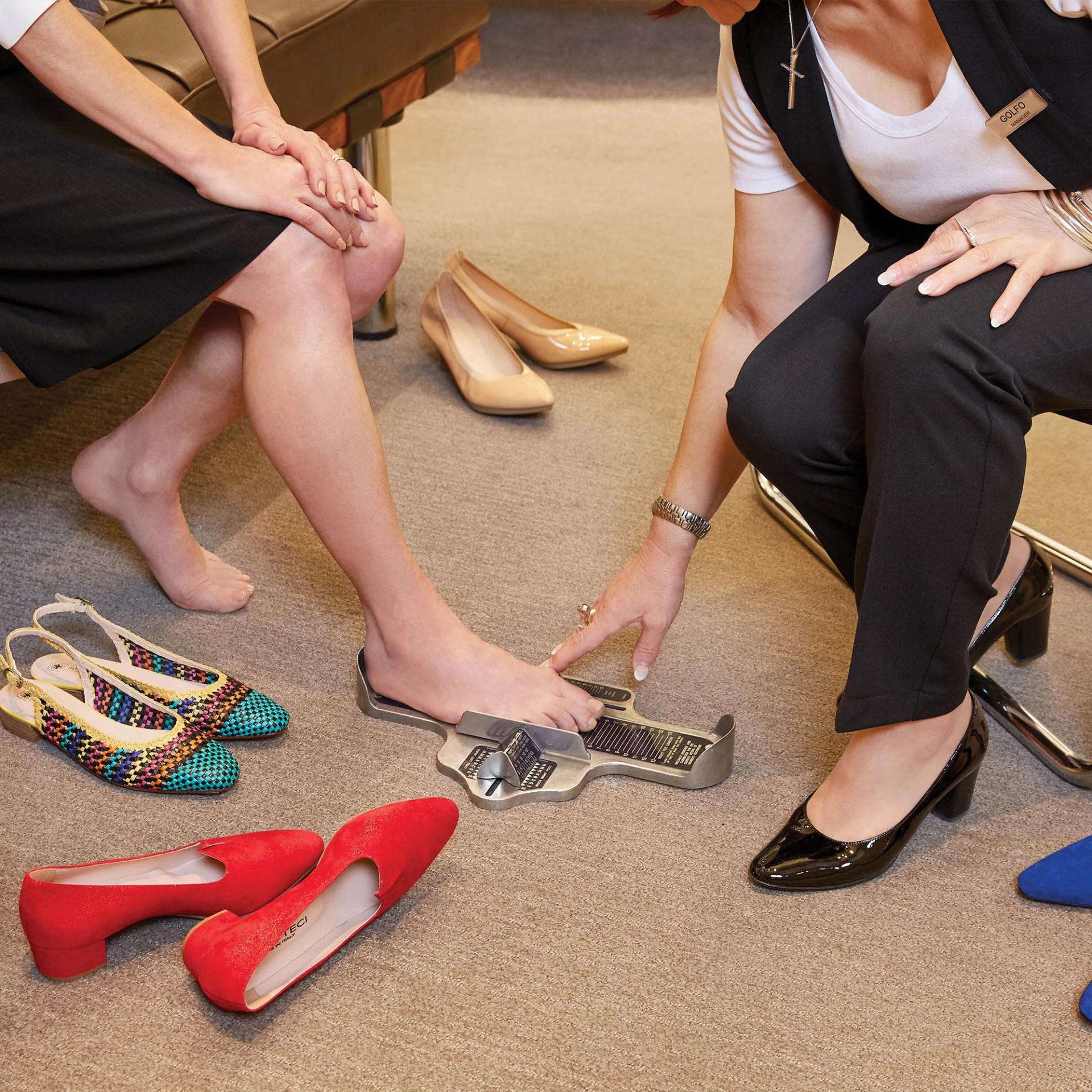
Buying supportive shoes online can work, but for many people with flat feet, professional fitting adds real value. Feet aren’t just “small, medium, or large”. They vary in width, depth, arch height, volume, and shape. A trained fitter considers all of this.

What Good Fitting Looks Like

A proper fitting session often includes:

  • Measuring both feet (they’re rarely identical)
  • Checking width and depth
  • Assessing arch support needs
  • Observing how you walk
  • Testing different styles

This process helps eliminate guesswork – instead of hoping a shoe works, you know it does.

Why Does This Matter for Flat Feet?

With flat feet and overpronation, small fit issues can make a big difference. Shoes that are slightly too shallow, narrow, or loose can undo otherwise good support. Professional fitting helps ensure your heel sits correctly, your arch lines up properly, your toes have enough space, and your foot stays stable. This reduces trial-and-error (and wasted money!).

How to Build Long-Term Foot Health

Supportive shoes aren’t just about fixing today’s discomfort; they’re about protecting your future mobility. Looking after your feet now helps reduce the risk of chronic issues later.

Rotate Your Footwear

Wearing the same shoes every day increases wear and reduces support faster. Rotating between two or three pairs allows materials to recover, support to last longer, and for your feet to experience slight variation. This often improves comfort over time.

Replace Shoes Before They Fail

Most supportive shoes gradually lose structure. You may not notice it happening — until discomfort returns. If a shoe feels “different” than it used to, it probably is. Replacing worn-out shoes is an investment in your comfort.

Strengthen and Stretch

While shoes do a lot of work, basic foot and leg strength matters too. Simple habits like gentle calf stretches, toe mobility exercises, walking barefoot on safe surfaces at home and light strengthening routines can improve resilience and reduce fatigue.

Listen to Your Body

Pain is information. If something consistently feels wrong, don’t ignore it. Small adjustments early often prevent bigger problems later.

Supporting your feet, supporting your life

Flat feet and overpronation are incredibly common. You’re not “abnormal” for having them… and you’re certainly not alone. What matters is how you manage them. With the right footwear, many people experience less daily discomfort, better balance, reduced fatigue, improved posture, and greater confidence when moving.

Supportive shoes aren’t about limiting you – they’re about helping you do more (with less pain and less effort!). By choosing well-designed footwear, paying attention to fit, and seeking professional advice when needed, you give your feet the tools they need to support you properly.

And when your feet feel good, everything else tends to follow.

Related Articles

Read All Articles
Read All Articles